Kakuzi diversification strategy boosts profits as avocado, macadamia, blueberry revenues surge
The company’s strict stance on land asset protection also signals that long-term investment security matters to shareholders
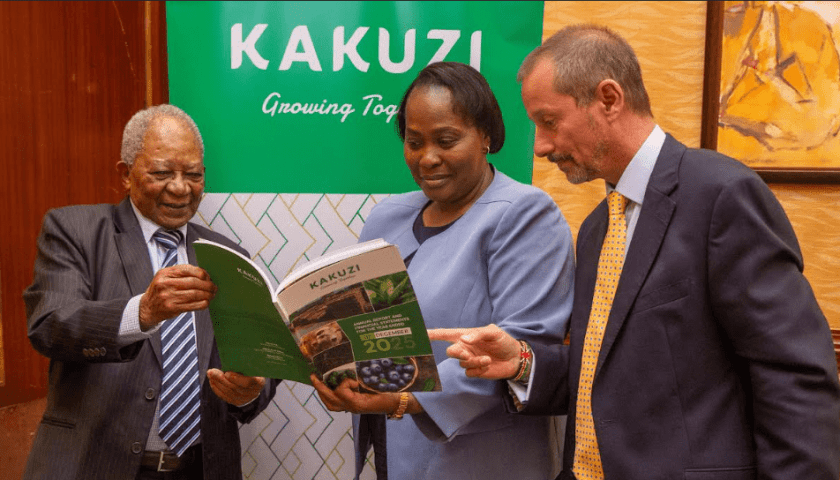
KENYA – Kakuzi Plc has acknowledged growing international market risks facing both the company and Kenya’s export agriculture sector, highlighting the need for diversification across products and markets as agribusiness companies globally face operating risks further affected by unrest in the Middle East.
Kakuzi is diversifying its portfolio to mitigate global risks through several strategic initiatives. The company is pursuing diversification across products and export markets while also exploring additional income streams outside agriculture.
For instance, Kakuzi’s blueberry expansion is progressing and marks the transition from an experimental crop to a contributor to the long-term growth strategy. The company is also exploring export opportunities for avocado products.
“We believe growth must be deliberate, purposeful, prudent, and asset-preserving. We are not just farmers; we are builders of our economic development,” said Managing Director Chris Flowers.
The primary drivers of growth for avocado exports include increased production volume and consistent quality. Avocado production increased by 23%, while exports rose to 525 containers last year from 446 containers the previous year.
In addition, Kakuzi’s avocado profit increased to KES 709 million (US$5.5 million) in 2025 from KES 361 million (US$2.8 million) in 2024. “The fact is, the business is challenging, but exporting fresh avocados remains viable as long as we produce quality fruit,” Flowers said.
On the other hand, blueberries and macadamias have become profitable crops, driven by higher sales volumes and prices. Kakuzi’s blueberry operation returned to profitability, recording a KES 5 million (US$39,000) profit, compared with a KES 19 million (US$147,000) loss the previous year, with production volumes rising to 90 tons from 53 tons.
As for the Macadamia business, it recorded profits of KES 365 million (US$2.8 million), compared with KES 69 million (US$0.5 million) the previous year. According to Flowers, macadamia demand continues to recover, supported by higher sales volumes and improved prices.
Kakuzi’s transformation from a conventional producer to a multidimensional agribusiness demonstrates that product diversification, combined with value-added processing, can build resilience against global market volatility.
The company’s strict stance on land asset protection also signals that long-term investment security matters to shareholders.
Additionally, the strategic direction is to expand beyond fresh exports into processed formats to capture greater value and reduce the risk of spoilage.
Lastly, Kakuzi’s 23% avocado volume growth and doubled dividend provide evidence that deliberate, patient diversification delivers returns.
Sign up HERE to receive our email newsletters with the latest news and insights from Africa and around the world, and follow us on our WhatsApp channel for updates.