KEBS rejects claims of undisclosed sweeteners in sugar-free soft drinks, cites WHO thresholds
KEBS says sulphur-based sweeteners in soft drinks meet global safety thresholds and are properly regulated.
KENYA – The Kenya Bureau of Standards (KEBS) has dismissed claims that sugar-free soft drinks sold in Kenya contain undisclosed sulphur-based sweeteners, saying all approved additives comply with international safety standards and local labelling regulations.
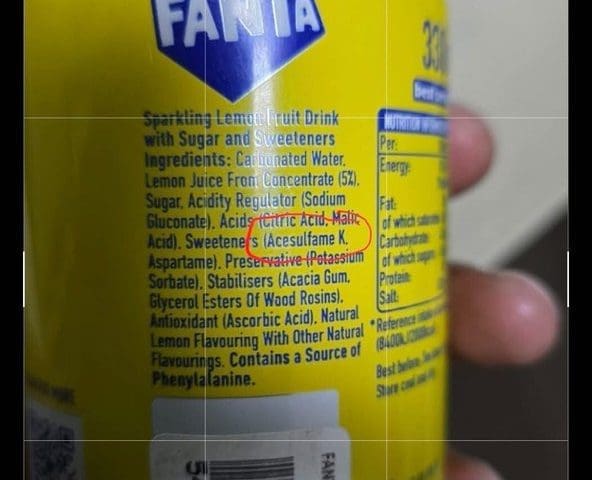
The clarification follows allegations by the Consumer Federation of Kenya (COFEK) that some sugar-free beverages on the market contain sulphur-based sweeteners such as Acesulfame-K without adequate consumer warnings.
COFEK questioned the transparency of ingredient labelling and raised concerns about potential health risks.
“Why are ‘sugar-free’ drinks sneaking these additives into tiny, unreadable ingredient lists with zero allergy warnings, yet wine makers clearly warn consumers? Who is protecting consumers here?” COFEK said in a statement posted on its social media platforms.
In response, KEBS said the claims were misleading and did not reflect existing regulatory requirements.
The standards agency explained that manufacturers are only required to declare sulphur-containing ingredients when their concentration exceeds 10mg per kilogramme, a threshold set by the World Health Organization (WHO) and the Food and Agriculture Organization (FAO).
“The Kenya Standards have a threshold of 10mg/kg as set by the WHO/FAO expert committee on allergies & chemical reactions beyond which any product containing sulfur containing ingredient must declare,” KEBS said. “It is not true that there are ingredients being sneaked.”
KEBS noted that the threshold is designed to protect consumers from allergic reactions and other adverse chemical effects associated with sulphur-based compounds. The agency also stressed that all food additives used in soft drinks are subjected to rigorous evaluation before being approved for use in the country.
According to KEBS, soft drink manufacturers are required to list all ingredients added to their products on labels, in line with Kenyan standards and food safety laws. The board added that compliance monitoring and product testing are routinely carried out to ensure consumer safety.
The debate comes amid heightened scrutiny of the soft drinks industry, as the government considers stronger regulatory measures to address rising cases of diet-related non-communicable diseases such as diabetes and obesity.
Last year, Nandi Hills Member of Parliament Bernard Kitur proposed the introduction of a Health Promotion Levy on sugary beverages. He said the tax would encourage manufacturers to reduce sugar content while generating funds for public health programmes.
“To mitigate this public health crisis, we propose the introduction of the Health Promotion Levy in the soft drinks industry. This levy aims to reduce sugar consumption, encourage healthier product reformulation, and generate revenue to support public health programmes,” he said.
KEBS said it will continue working with stakeholders to ensure consumer protection while aligning local standards with global food safety guidelines.
Sign up HERE to receive our email newsletters with the latest news and insights from Africa and around the world, and follow us on our WhatsApp channel for updates.