
Kenya launches Naivasha-Kisumu-Malaba SGR expansion, unlocking regional trade corridor to Uganda
The logistical benefits for regional trade and global investors are substantial.
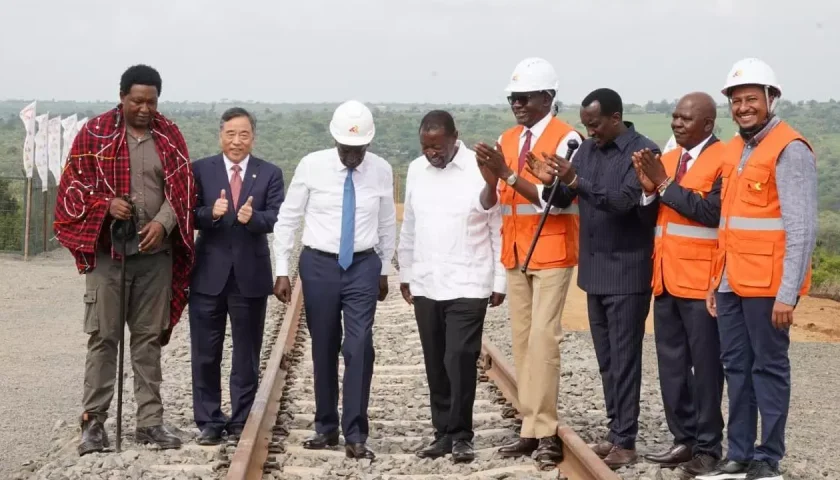
KENYA – Kenya has officially launched construction of the Naivasha-Kisumu-Malaba Standard Gauge Railway extension, a project expected to transform freight efficiency and position the country as East Africa’s central trade corridor.
The groundbreaking ceremony, held at Motonyi in Narok County on March 19, was presided over by President William Ruto, marking the resumption of a project stalled for six years following the withdrawal of Chinese funding.
The extension will connect Kenya’s industrial corridor in Nairobi with agricultural regions including Narok, Bomet, Nyamira, and Kericho before linking to Kisumu, a critical commercial hub on Lake Victoria.
From Kisumu, the line will extend to Malaba at the Kenya-Uganda border, establishing a seamless multimodal corridor connecting the Port of Mombasa to Kisumu Port and facilitating cargo movement across Lake Victoria into neighboring countries.
President Ruto emphasized the economic significance of the project. “Today we complete a national vision to connect Kenya more efficiently to lower the cost of doing business and to firmly position our country at the centre of trade in the Great Lakes region and across the continent,” he stated.
“Freight operations generate more than 1.3 billion shillings every month while passenger revenue has grown by 40 percent. This is evidence of a modern railway that is working and delivering for our economy,” he added.
The logistical benefits for regional trade and global investors are substantial. Once operational, the extension will transform the SGR into a two-way logistics system capable of efficiently moving both imports and exports.
In addition, rail transport offers a cost-effective and environmentally sustainable alternative for bulk cargo, reducing reliance on road transport, alleviating congestion on key road networks, and lowering overall logistics costs.
The Naivasha-Kisumu-Malaba project is being implemented in phases, with Phase 2B covering the Naivasha-Kisumu section and Phase 2C extending the line to Malaba.
Further, the new phase will be built by a Chinese contractor and financed through revenue securitization using a railway development levy on cargo transported on the existing line.
By linking Uganda’s rail network at Malaba, the SGR is expected to facilitate smoother cross-border cargo movement, supporting trade integration within the East African Community.
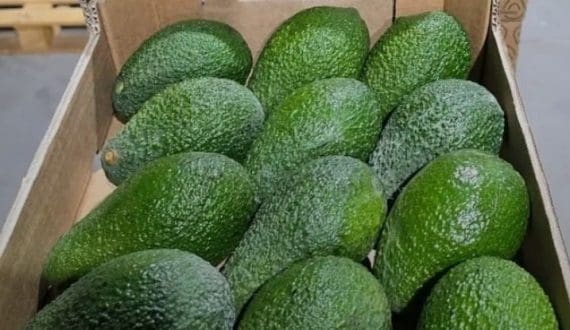
For the fresh produce and logistics sector, the corridor offers a transformative platform for moving horticultural exports from inland production zones to Mombasa Port with greater speed and reliability, strengthening Kenya’s competitive position in global agricultural markets.
Sign up HERE to receive our email newsletters with the latest news and insights from Africa and around the world, and follow us on our WhatsApp channel for updates.