

Kenya’s potato output hits 2.1M tons, exports surge 97.6%
Urbanization is reshaping potato demand across the region.
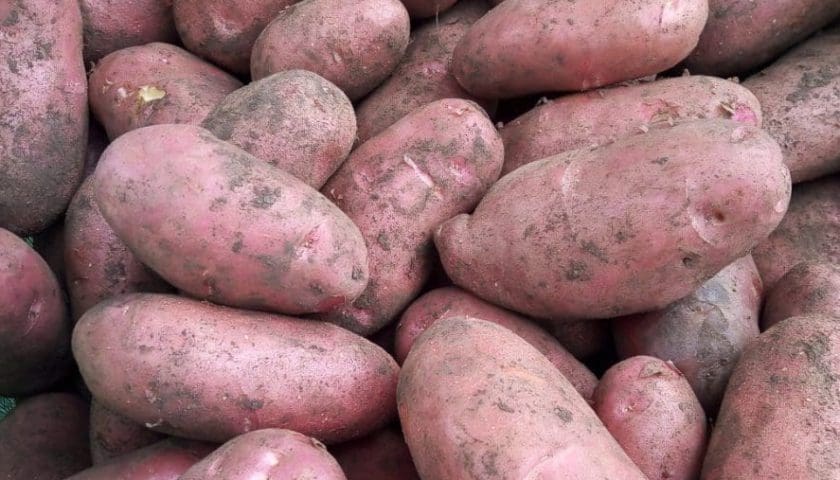
KENYA – Kenya’s potato sector is experiencing a significant transformation, with production reaching 2.118 million tons in 2024 and exports surging 97.6% year-on-year to nearly 250,000 tons, mainly destined for Uganda.
Severino Manene, Assistant Director for Agriculture at the Ministry of Agriculture & Livestock Development, confirmed that potatoes are grown in 29 counties across altitudes of 1,500 to 3,000 metres.
Despite this growth, current yields average just 10 tons per hectare, far below the genetic potential of 30 to 40 tons per hectare. About 90% of Kenyan potato production takes place on small-scale farms of between half an acre and two acres, with constraints including limited crop rotation, pests and diseases, and a lack of climate-resilient varieties.
“There is a need for climate resilient varieties, including those that can withstand disease such as late blights, and the ones that can withstand erratic weather patterns due to climate change,” Manene said. KALRO leads breeding in collaboration with partners, including the International Potato Centre.
Additionally, climate-resilient seed development and multiplication offer opportunities for private-sector participation. The value chain added 61 billion Kenyan shillings (US$470 million) to the economy in 2024, demonstrating the sector’s economic weight.
Technology adoption is expanding production areas, with irrigation enabling additional growing cycles beyond the two main rainy seasons. Seed potato exports reached 1,125 tons in 2025, up from 128 tons in 2024, with an average price of US$502 per ton, signalling growing regional demand for quality planting material.
On the other hand, processed exports remain limited at 340 tons, while imports reached 940 tons in 2025, indicating a gap in local processing capacity.
Urbanization is reshaping potato demand across the region. “The population continues to grow, and the movement of people from the countryside to towns provides opportunities. Meanwhile, export opportunities are increasing too,” Manene noted.
Manene summarized the sector’s potential: “Kenya has ideal conditions for growing potatoes in many parts of the country. It has skilled and enthusiastic farmers who are becoming more organized, with greater access to technology and more resilient varieties. As the market develops, there is more potential for potato farmers to have a greater share of the value of the potato chain.”
For African investors, the Kenyan potato industry offers opportunities in cold storage infrastructure, processing facilities, and seed multiplication ventures that bridge the gap between current yields and genetic potential.
Sign up HERE to receive our email newsletters with the latest news and insights from Africa and around the world, and follow us on our WhatsApp channel for updates.