Maersk resumes Suez Canal transits on MECL service, cutting transit times by 14 days
The organization remains committed to monitoring security to ensure the safety of its fleet.
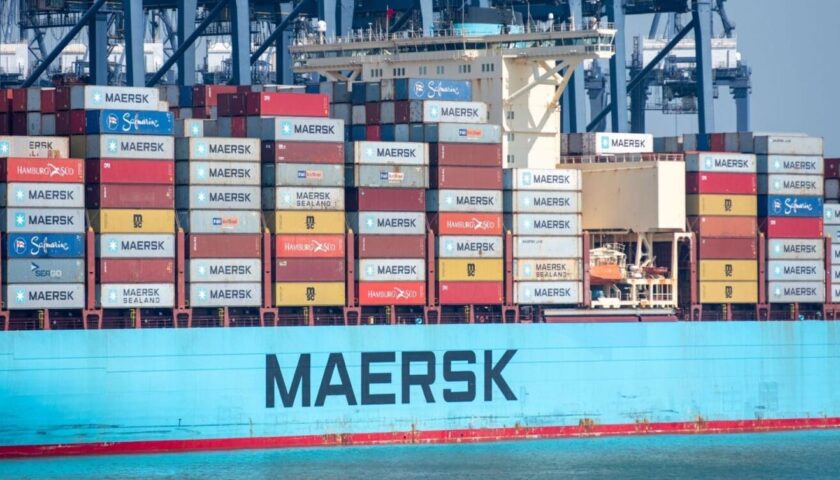
GLOBAL – Maersk will resume transits through the Suez Canal on its Middle East–US East Coast (MECL) service, a shift in its network after months of rerouting vessels around the Cape of Good Hope due to regional security concerns, as per a statement.
The first westbound sailing via the Suez Canal will be Maersk Denver on voyage 627W, while the first eastbound transit will be Maersk Chicago on voyage 624E.
“The route through the Suez and the Red Sea is the fastest, most sustainable and most efficient way to serve customers with transport between India, the Middle East and the US East Coast,” the statement read.
Strategic Vision and Operational Efficiency
The return to the Suez route is expected to reduce westbound transit times by about seven days and eastbound transit times by up to 14 days. This strategic shift aims to significantly improve efficiency by shortening travel times for cargo moving between the Middle East, India, and the United States.
By reusing this primary maritime corridor, the company expects to reduce transit times by one to two weeks while boosting regional connectivity. Maersk will introduce a new eastbound port call at Jeddah from August, further enhancing connectivity on the service.
Security Monitoring and Canal Performance
Despite the resumption of Suez Canal transits, the Danish company emphasized that it will continue to closely monitor the security situation in the Middle East. The organization remains committed to monitoring security to ensure the safety of its fleet.
During the first half (H1) of fiscal year (FY) 2025/2026, the Suez Canal’s revenues rose 18.5% year on year (YoY), driven by a 5.8% increase in the number of vessels passing through the canal and a 16% surge in net tonnage.
In April, oil tanker traffic through the Suez Canal jumped by nearly one-third, as the closure of the Strait of Hormuz boosted demand for the Red Sea shipping route.
This strategic transition is a calculated effort to restore operational efficiency despite ongoing regional complexities, with Maersk maintaining a focus on service reliability and customer connectivity.
Overall, the transition highlights the canal’s vital role as the most sustainable and rapid path for global trade in the current economic climate, with the shipping giant remaining prepared to adjust routes if security conditions deteriorate, ensuring operational flexibility in a volatile environment.
Sign up HERE to receive our email newsletters with the latest news and insights from Africa and around the world, and follow us on our WhatsApp channel for updates