

Malaysia still dependent on imported meat despite local production gains – Malaysian government
Chicken production stable, but import reliance remains high for key meats.
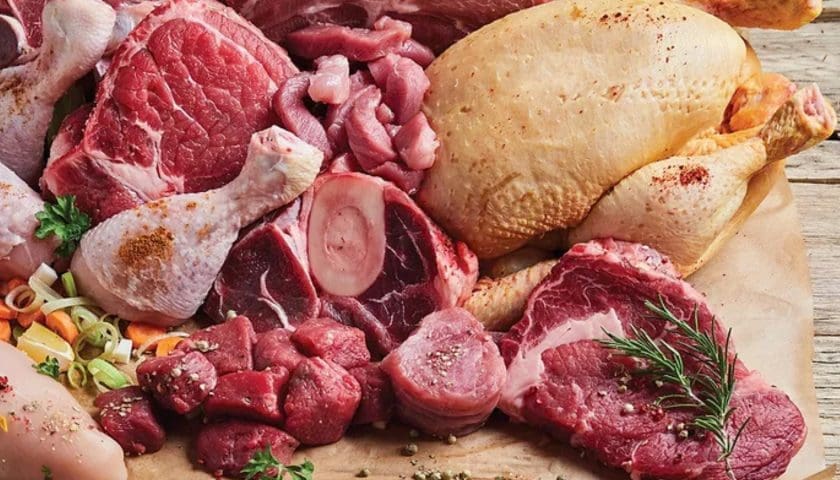
MALAYSIA – Malaysia remains heavily reliant on imported meat even as domestic production shows gradual improvements, Agriculture and Food Security Minister Mohamad Sabu said.
The Statistics Department’s Self-Sufficiency Ratio (SSR) 2023 report shows self-sufficiency for chicken at 90.2%, while beef, buffalo meat, and mutton remain far below desired levels, indicating continued dependence on imports.
Despite the low SSR for beef and mutton, the Import Dependency Ratio (IDR) for these meats has shown a slow decline, suggesting that domestic production is gradually increasing.
Mohamad told the Dewan Rakyat on November 10 that while chicken and egg production is improving, the country still imports large volumes of beef, buffalo meat, and mutton to meet demand.
Projected chicken production as of October 2025 is around 70.65 million birds, which points to a stable domestic supply, yet meat imports remain necessary to cover consumption gaps.
To address this, the government is expanding cattle breeding and ruminant development programs, aiming to achieve 50% self-sufficiency in beef by 2030.
The dairy sector is also growing, with companies such as Farm Fresh and F&N operating large-scale farms, and officials expect Malaysia to reach self-sufficiency in milk production soon.
While meat and dairy improvements are underway, rice, chicken, and several vegetables continue to rely heavily on imports, reflecting the broader challenge of food security.
Mohamad said Malaysia will maintain imports of certain raw materials and meat products through existing trade agreements and memorandums of understanding with partner countries.
Aquaculture is progressing steadily, with efforts focused on improving broodstock quality and farm productivity, though more investment is needed to reach a satisfactory level of self-sufficiency.
The minister emphasized that the country’s approach combines expanding local production with strategic imports to balance domestic needs with international supply chains.
Sign up HERE to receive our email newsletters with the latest news and insights from Africa and around the world, and follow us on our WhatsApp channel for updates.

