Mexico’s chicken imports expected to rise in 2026
Growth in tourism and dining drives higher import needs, while new trade policies shape poultry and livestock markets
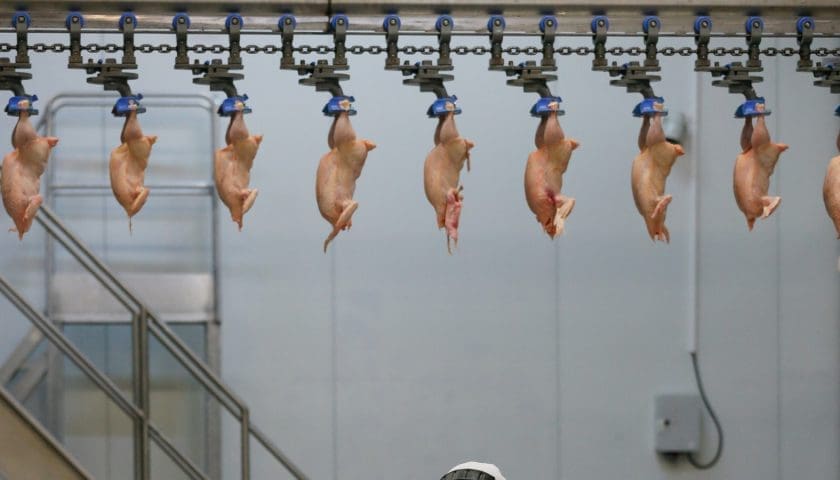
MEXICO – Mexico’s chicken meat imports are projected to climb by 7% to 1.1 million metric tons in 2026, according to a new report from the U.S. Department of Agriculture’s Foreign Agricultural Service (USDA FAS).
The increase is largely linked to strong consumption from the hotel, restaurant, and institutional (HRI) sector, which continues to expand alongside Mexico’s growing tourism industry.
As more restaurants and hospitality businesses open to meet the needs of both local diners and international visitors, demand for reliable chicken supplies has intensified, pushing the country to import more poultry to meet overall consumption levels.
Even with the expiration of the Presidential Anti-Inflation Decree, which had temporarily eased import restrictions, trade from Brazil is expected to persist into 2026 due to infrastructure investments that have strengthened export capacity and logistics.
In June, Mexico eased its restrictions on Brazilian poultry, narrowing a previous nationwide suspension to only include products from the southern state of Rio Grande do Sul, where a bird flu case was detected earlier this year.
Brazil’s Ministry of Agriculture confirmed that this adjustment replaced an earlier, broader ban on all Brazilian chicken exports to Mexico.
While Mexico is reopening its market to most Brazilian poultry, other nations are tightening their import controls amid ongoing avian influenza concerns.
Mauritania recently imposed a complete ban on chicken imports from Brazil, whereas Oman limited its suspension specifically to poultry originating from Rio Grande do Sul.
These restrictions follow Brazil’s confirmation in May of a highly pathogenic avian influenza outbreak at a commercial farm, prompting several countries to reassess their biosecurity protocols.
Many importing markets have since implemented temporary or selective bans in an effort to minimise the risk of virus spread through international poultry trade.
Meanwhile, Mexico’s livestock sector is anticipating renewed trade momentum with the United States after months of disruption.
The USDA announced plans to lift its temporary suspension on cattle imports from Mexico before the end of 2025, following progress in controlling the New World screwworm outbreak.
The suspension was originally introduced after the pest was detected within Mexican territory, raising concerns over animal health and cross-border transmission.
Known for laying eggs in the open wounds of animals, the screwworm’s larvae consume live tissue, posing serious threats to livestock, wildlife, and occasionally humans.
Sign up HERE to receive our email newsletters with the latest news and insights from Africa and around the world, and follow us on our WhatsApp channel for updates.