Nestlé in talks to sell ice cream units to Froneri as CEO accelerates strategic restructuring
Nestlé advances portfolio overhaul, prioritizing coffee, petcare, and nutrition while negotiating ice cream business divestments.
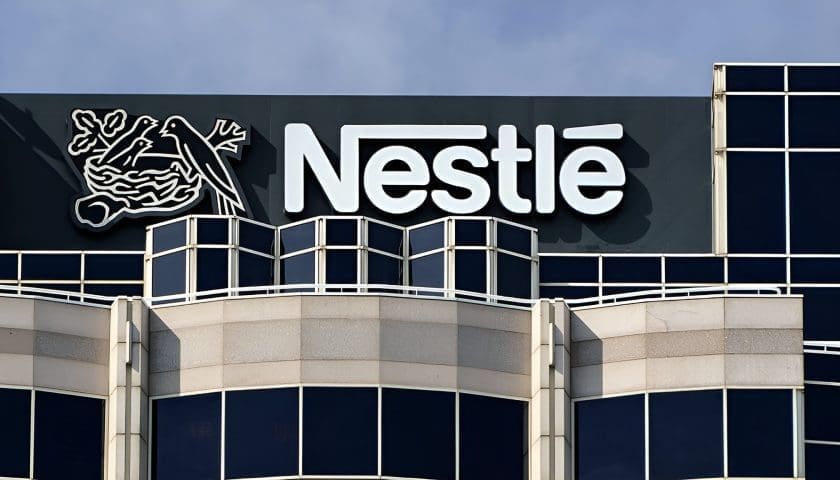
SWITZERLAND – Nestlé is in advanced negotiations to sell its remaining ice cream businesses in Asia, Canada, and parts of Latin America to Froneri, as CEO Philipp Navratil accelerates efforts to streamline the Swiss consumer goods giant and sharpen its strategic focus.
The company confirmed the talks during its fourth-quarter results, stating the potential sale aligns with its plan to prioritize higher-growth categories, including coffee, petcare, nutrition, and food and snacks.
Froneri, the Häagen-Dazs owner, is a joint venture established by Nestlé and European private equity firm PAI Partners. Nestlé currently holds a 50% stake in the business.
Froneri was valued at approximately €15 billion (US$18 billion), including debt, following investments by Goldman Sachs and the Abu Dhabi Investment Authority in October last year, highlighting strong investor confidence in the ice cream venture.
Navratil said the restructuring is part of a broader transformation aimed at improving efficiency and performance. “We are accelerating executions with a leaner, more performance-driven organisation, and the stage is set for continuous improvement in 2026 and beyond,” he told reporters.
Nestlé reported better-than-expected fourth-quarter sales growth and forecast full-year organic sales growth of between 3% and 4% in 2026. The company also expects improvement in its underlying trading operating profit margin, which stood at 16.1% in 2025.
For the financial year ending December 31, 2025, Nestlé reported total sales of CHF 89.49 billion (US$115.97 billion), representing a 2% decline. Organic growth reached 3.5%, supported by pricing growth of 2.8% and real internal growth of 0.8%.
However, underlying trading operating profit fell 8.4% to CHF 14.39 billion, while the margin declined from 17.2% to 16.1%. Net profit dropped 17% to CHF 9.03 billion.
“These figures reflect the targeted actions we have taken in a difficult external environment,” Navratil said.
“Real internal growth was positive across all Zones and global businesses. We increased our investment in marketing, delivered a UTOP margin of 16.1% and generated CHF 9.2 billion in free cash flow.”
Navratil’s restructuring efforts have coincided with challenges, including the largest infant formula recall in the company’s recent history. He emphasized that Nestlé acted quickly to protect consumer trust. “There might be some impact from the recall, but then I think there is not a long-term reputational issue that we’re facing,” he said.
The company is also reviewing its vitamin and supplement brands and engaging with potential buyers, while preparing to deconsolidate its waters business from 2027.
Nestlé has begun formal discussions with potential partners as part of its long-term portfolio transformation strategy.
Sign up HERE to receive our email newsletters with the latest news and insights from Africa and around the world, and follow us on our WhatsApp channel for updates.