Germany, Brazil to takein expanding circular aquaculture systems
New joint report says both countries trail in local fish farming despite strong environmental potential
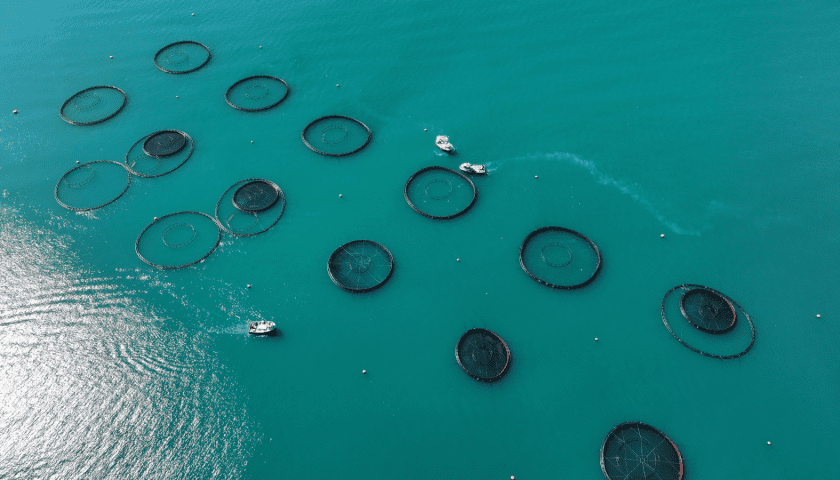
WORLD – Released by the German National Academy of Sciences Leopoldina and the Brazilian Academy of Sciences (ABC), the report calls for immediate policy shifts to develop more sustainable, closed-loop aquaculture systems.
Tilapia remains the most farmed fish species in Brazil, while rainbow trout is the most widely cultivated in Germany, according to new data from the UN Food and Agriculture Organization (FAO).
However, both countries are still struggling to meet local demand for fish through domestic production, a new joint policy report has found.
The authors, a group of early-career researchers from Europe and Brazil, say that Germany and Brazil are falling short in aquaculture output despite having favourable conditions for freshwater fish farming.
The report, titled Advancing sustainability and circularity in aquaculture to build a resilient global food system, highlights that aquaculture now provides more than half of all fish consumed globally.
Yet, in Germany, only around 2% of the finfish eaten is locally produced, while per capita fish consumption in both nations lags behind the global average of 20.5 kg, with Brazil at about 10 kg and Germany at 14 kg.
The researchers argue that both countries face similar barriers to growth, including the effects of climate change, high input costs, limited public support, insufficient skilled labour, and complicated regulatory systems.
They suggest that expanding aquaculture in a sustainable way will depend on coordinated government action and increased public understanding of aquaculture’s environmental and nutritional benefits.
Policy, Training, and Local Technologies
To overcome these challenges, the authors propose three main areas for reform.
First, they call for streamlining regulatory systems by simplifying approval processes and assigning aquaculture officers within relevant agencies.
Second, they emphasize the importance of strengthening both vocational and academic training to attract professionals to the aquaculture industry.
Third, they recommend investing in region-specific technology development to help producers apply scientific research on-site, based on local fish types and waste treatment needs.
These findings are based on discussions held during a 2023 workshop at the Leibniz Institute of Freshwater Ecology and Inland Fisheries in Berlin, which brought together young scientists from both countries.
The workshop was part of an initiative by Leopoldina and ABC to improve international cooperation and promote science-based solutions in aquaculture.
Founded in 1652, Leopoldina serves as Germany’s official national science academy and advises policymakers on complex societal issues.
It currently includes more than 1,600 members from over 30 countries and takes part in international forums such as the G7 and G20 summits.
Sign up HERE to receive our email newsletters with the latest news and insights from Africa and around the world, and follow us on our WhatsApp channel for updates.