
Niger to establish a national center to improve animal production
The new center will focus on enhancing local breeds to increase milk and meat yields and reduce import dependence.
NIGER – The government of Niger has approved the creation of a National Center for the Improvement of Animal Production as part of efforts to boost domestic livestock performance and reduce the country’s reliance on imported dairy products.
The decree establishing the center was adopted during a Council of Ministers meeting, marking a new step in the government’s livestock development strategy.
According to officials, the institution will be responsible for designing and implementing a national policy aimed at improving the productivity of local breeds through suitable breeding and management techniques.
The government has not yet announced when the center will begin operations or released a detailed action plan, but the decision reflects a growing political intent to strengthen domestic dairy and meat production.
Authorities said that although Niger has one of the largest livestock populations in the Sahel, it continues to depend on milk and dairy imports to meet household consumption.
A statement from the Council of Ministers cited weaknesses in production systems and the absence of a strong institutional framework as major reasons for this dependency.
Between 2019 and 2023, Niger imported an average of about 6,000 tonnes of milk and cream each year, according to data from the National Institute of Statistics (INS).
Imports reached a peak of 10,910 tonnes in 2020, highlighting the country’s growing demand for dairy products.
Over the same period, spending on these imports averaged around US$15.8 million per year, with the highest import bill recorded in 2020 at about US$25.5 million.
Dairy imports and main suppliers
Trade Map data for 2024 show that Niger sourced most of its milk and dairy imports from countries such as Argentina, the Netherlands, Ireland, Malaysia, and France.
Officials believe that strengthening local production capacity could help reduce this financial burden and promote self-sufficiency.
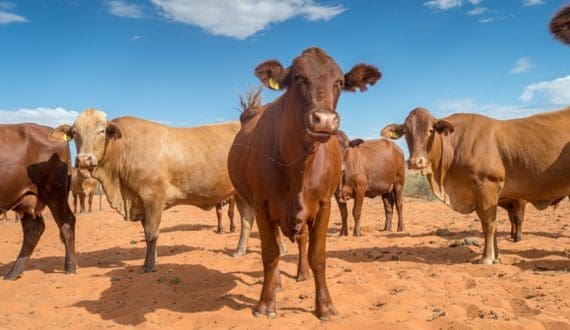
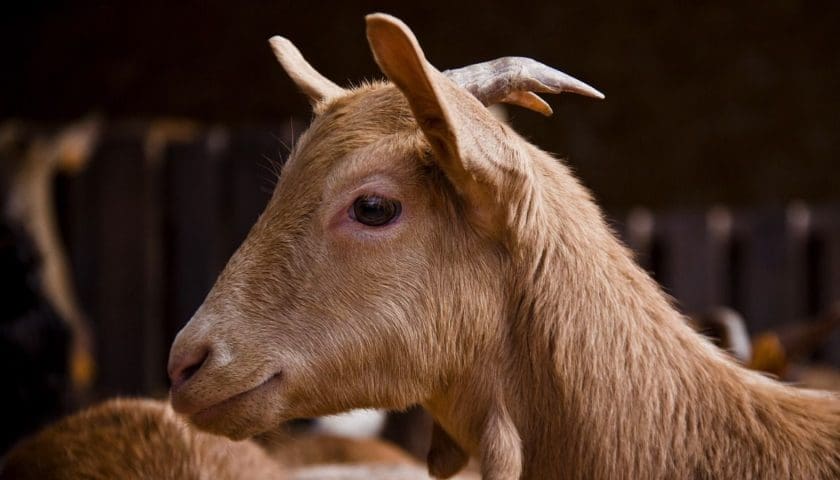
In Niger, cattle are the main source of milk, but other livestock species such as goats, sheep, and camels also contribute to the supply chain.
A 2023 report by the INS revealed that only 17.7% of households raising cattle in the country produce milk, pointing to significant room for improvement in the sector.
The establishment of the National Center for the Improvement of Animal Production is expected to address these production gaps and support the development of a more sustainable livestock industry in Niger.
Sign up HERE to receive our email newsletters with the latest news and insights from Africa and around the world, and follow us on our WhatsApp channel for updates.