

Nigerian activists challenge JBS’s expansion in poultry, livestock sector
Concerns rise over foreign agribusiness impact on local farmers and food systems
NIGERIA – Environmental groups and smallholder farmers in Nigeria have raised objections to Brazilian meat company JBS S.A.’s plans to enter the country’s poultry and livestock industry following a Memorandum of Understanding with the Nigerian government to build six processing plants, including three for poultry, two for beef, and one for pork.
The government and JBS present the project as a response to hunger, job creation, and growing demand for animal protein, but critics argue it could threaten food sovereignty, disrupt local agriculture, and harm the environment.
Activists contend that Nigeria’s agricultural challenges should be addressed by supporting domestic producers rather than relying on large foreign corporations that often extract wealth and resources without meaningful benefits for local communities.
Organizations like Environmental Rights Action and Health of Mother Earth Foundation warn that multinational companies, including JBS, have a record of taking land and exploiting natural resources in developing countries while offering minimal economic returns to residents.
Mariann Bassey-Olsson, a Nigerian environmentalist, highlighted JBS’s history in Brazil, including links to Amazon deforestation, land grabs, and alleged human rights abuses affecting Indigenous populations, and cautioned that similar outcomes could occur in Nigeria if the agreement lacks transparency.
Critics also emphasize the potential disruption to small-scale poultry and livestock operations, which in Nigeria often form part of family livelihoods, cultural practices, and local food systems where animals are free-range and integrated into community life.
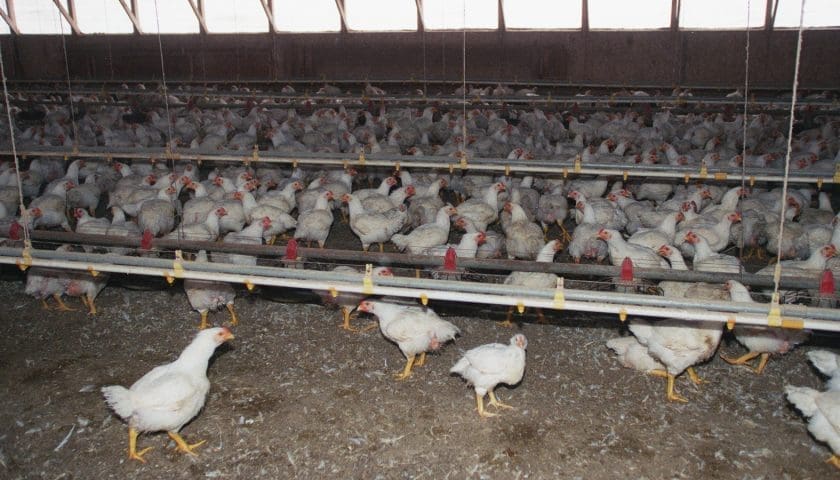
They argue that industrial farming practices, where thousands of chickens are confined and processed in large-scale facilities, could marginalize local farmers, increase dependence on costly animal feed, and diminish the value of indigenous breeds.
Proponents claim the investment could create employment opportunities, increase domestic meat production, and reduce reliance on imports amid rising food prices, but opponents maintain that these benefits do not require foreign-controlled industrial operations.
Civil society groups are organizing public awareness campaigns, community meetings, and media outreach to inform Nigerians about the deal, stressing that it was negotiated without broad consultation, environmental reviews, or input from farmers.
Activists insist that future agricultural development should guarantee transparency, protect land rights, and ensure that profits remain within local communities rather than being absorbed by multinational corporations.
Sign up HERE to receive our email newsletters with the latest news and insights from Africa and around the world, and follow us on our WhatsApp channel for updates.

