

Oman reports higher fish self-sufficiency as food output climbs
Combined agriculture and fisheries production rose to 5.6 million tonnes
OMAN – Oman’s agriculture, fisheries and water sectors recorded increased production and investment activity in 2025, according to figures presented to the Shura Council by the Ministry of Agriculture, Fisheries and Water Resources.
The ministry said combined agricultural and fisheries output reached 5.6 million tonnes in 2025, up from 4.3 million tonnes in 2020, reflecting growth across food production activities in the country.
At the same time, the sectors’ contribution to the economy rose to RO 1.132 billion, equivalent to about US$2.94 billion, up from RO 776 million, or roughly US$2.02 billion, in 2020.
Fish supply exceeds domestic demand
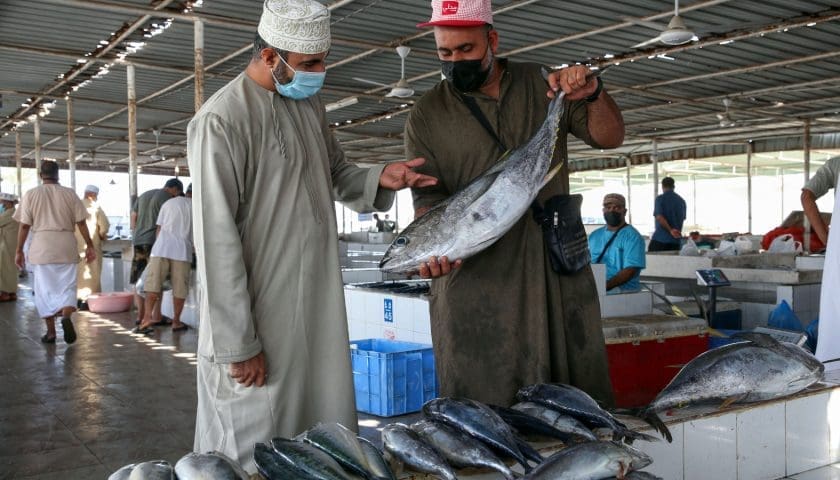
During the council session, the minister said fish production continued to surpass local consumption requirements, with self-sufficiency in the category reaching 146%.
Meanwhile, dates achieved a self-sufficiency rate of 99%, while milk and eggs reached 96% and 95% respectively, according to the ministry’s figures.
Vegetable production covered 79% of domestic demand, while white meat and red meat accounted for 62% and 45%, respectively, with fruits, excluding dates, at 24%.
The ministry also reported that Oman’s agricultural sector currently includes more than 9.1 million date palms and around 4 million livestock animals distributed across the country.
In addition, the fisheries industry continues to provide employment for more than 60,000 Omani fishermen as authorities expand related infrastructure, including fish markets, processing facilities and ports.
Water infrastructure projects continue
Regarding water management, the ministry said projects linked to groundwater recharge, water storage, and protection dams remain under development as part of efforts to improve supply management.
The ministry added that these projects are supported by monitoring systems and cloud-seeding stations intended to enhance rainfall and improve water resource efficiency.
Officials also said investment activity across agriculture, fisheries and water projects increased during the period, with hundreds of usufruct agreements signed to support sector expansion.
Export activity from fisheries and food industries also moved closer to government targets, according to the ministry, as overseas demand for related products continued to rise.
The minister told the council that authorities are also focusing on local content development, agro-industrial projects and wastewater treatment improvements while addressing water scarcity challenges linked to long-term sustainability goals.
Sign up HERE to receive our email newsletters with the latest news and insights from Africa and around the world, and follow us on our WhatsApp channel for updates.

