
Senegal steps into a new poultry era with first parent stock flock arrival
The country receives its first batch of dual-purpose parent stock birds to reduce reliance on chick imports and support local poultry production.
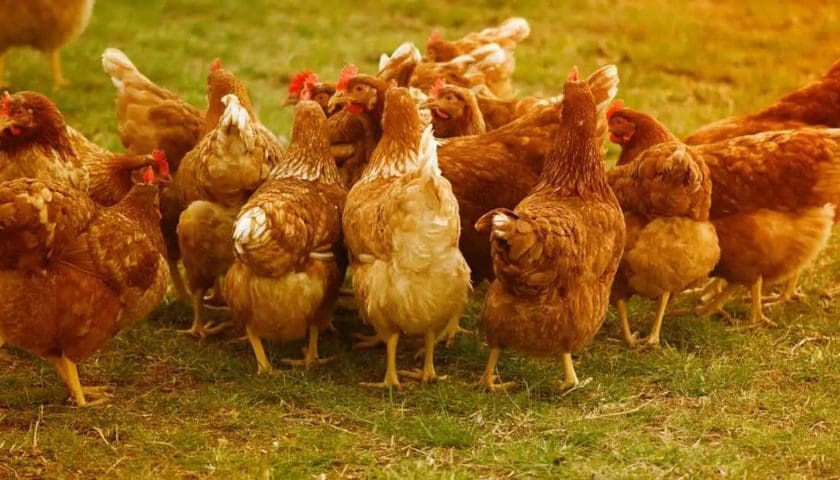
SENEGAL – Senegal’s poultry industry has entered a new phase following the arrival of 7,000 dual-purpose parent stock birds under the Couvoir Amar Poultry Multiplication Initiative (PMI).
The shipment, which landed in the country last week, is part of efforts to reduce dependence on imported hatching eggs that have long sustained local chicken production.
For years, Senegalese farmers have relied on foreign suppliers for day-old chicks, a situation that often exposed them to unpredictable global prices, shipping delays, and shortages during international supply chain disruptions.
The introduction of locally bred parent stock marks a shift toward greater control over chick production and supply within Senegal’s borders.
Building local capacity
The newly introduced flock consists of birds that can produce both eggs and meat, making them suitable for smallholder farmers who manage mixed farming systems.
With this development, hatcheries will be able to produce day-old chicks locally, cutting out the need for imported eggs and shortening delivery times for farmers.
Industry players expect the move to create ripple effects across the poultry value chain, from feed producers and hatchery operators to veterinarians and transporters.
Each chick hatched domestically is expected to keep revenue circulating within the national economy rather than flowing to overseas suppliers.
Impact on farmers and rural livelihoods
Poultry farming is a vital income source for many rural households in Senegal, especially women and youth who manage small flocks to support daily needs.
The availability of affordable locally hatched chicks could allow farmers to expand production without taking on excessive costs.
Improved access to chicks is also seen as a step toward enhancing national food security, ensuring consistent supply of chicken and eggs in local markets.
Couvoir Amar’s PMI project goes beyond chick production by incorporating farmer training programs focused on disease prevention, biosecurity, and efficient feeding practices.
The initiative also includes upgrades to hatchery infrastructure to improve chick survival rates and overall productivity.
Senegal’s government has supported efforts that promote self-sufficiency in agriculture and reduce dependency on imported inputs.
Officials and development partners view the establishment of local parent stock as part of a wider agenda to strengthen domestic agribusiness capacity.
Sign up HERE to receive our email newsletters with the latest news and insights from Africa and around the world, and follow us on our WhatsApp channel for updates.