

South Africa advances poultry expansion plan to cut chicken imports
Industry continues to face pressure from low-cost imports and rising operating costs
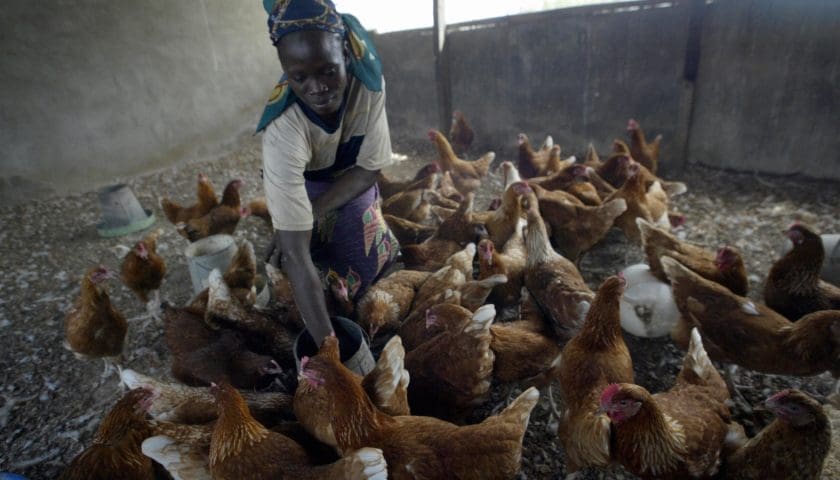
SOUTH AFRICA – South Africa has intensified efforts to reduce chicken imports as the country moves into the second phase of its Poultry Masterplan, a programme aimed at increasing domestic production capacity and strengthening the local poultry industry amid growing food demand.
The poultry sector remains the country’s largest source of animal protein consumption, and authorities, alongside industry players, are seeking to increase self-sufficiency after years of dependence on imported chicken products that have competed aggressively with locally produced meat on price.
The next stage of the Poultry Masterplan follows earlier measures that contributed to higher domestic output and lower import dependence, with poultry processors and producers recording increased weekly slaughter volumes during the initial phase as investment and policy interventions began reshaping parts of the supply chain.
At the same time, stakeholders are now focusing on expanding infrastructure across the production chain through additional investment in hatcheries, breeder operations, feed production, processing facilities, and cold storage systems to improve supply reliability and operational efficiency.
Focus on exports and disease controls
South Africa is also seeking to expand poultry exports by targeting foreign markets for processed and value-added chicken products while improving compliance with international trade and food safety requirements.
In addition, industry participants are strengthening biosecurity measures following previous avian influenza outbreaks that disrupted poultry production and affected trade activity, with disease prevention remaining a key concern for both domestic supply and export access.
Government agencies and private companies are also increasing support for black-owned and small-scale poultry enterprises through financing programmes, technical assistance, and market integration initiatives intended to widen participation in the sector and support employment in rural areas.
Even so, producers continue to face pressure from imported chicken products entering the market at lower prices, driven by subsidies and large-scale production in exporting countries.
In contrast, electricity shortages, transport constraints, and higher feed costs continue to affect operating margins.
Feed prices remain a major concern for poultry producers because feed accounts for a significant share of total production expenses, prompting industry players to explore ways to stabilise supply and improve local feed availability.
Despite these challenges, authorities and industry groups say the Poultry Masterplan will continue to guide efforts to increase local production, reduce reliance on imports, and develop a poultry sector capable of meeting South Africa’s long-term food supply requirements.
Sign up HERE to receive our email newsletters with the latest news and insights from Africa and around the world, and follow us on our WhatsApp channel for updates.