South African meat exporters push for faster regional trade agreements under government Plan A
Industry group says disease management and market access remain the main constraints to export growth
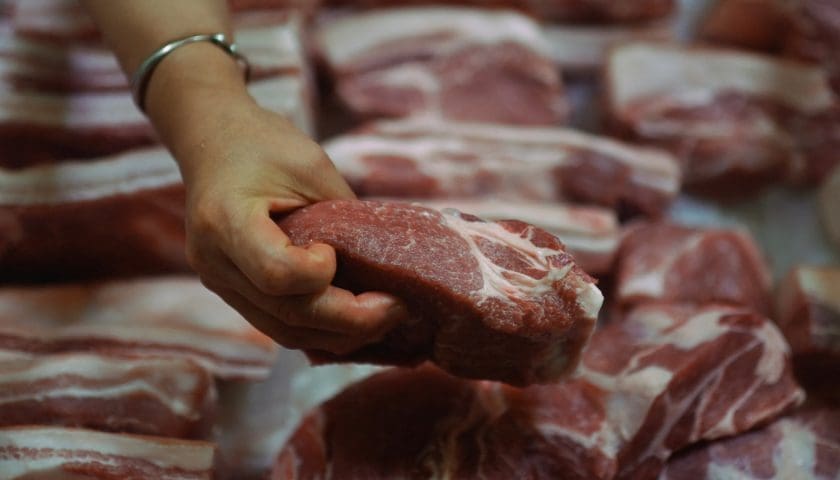
SOUTH AFRICA – South Africa’s Association of Meat Importers and Exporters has welcomed the government’s recently outlined Plan A for trade resilience, saying the strategy aligns with industry priorities around export diversification, job security, and the protection of rural value chains linked to meat production.
In a statement following a joint announcement by Trade, Industry and Competition Minister Parks Tau and Agriculture Minister John Steenhuisen, the organisation said the plan could support long-term expansion in beef and other red meat exports if existing structural obstacles are addressed.
AMIE, which represents companies involved in importing and exporting beef, poultry, lamb, and pork, said its mandate remains focused on securing and maintaining international market access for South African meat products across multiple regions.
Disease management and trade continuity
The group said the beef export segment, along with the wider red meat industry, faces recurring disruptions linked to animal disease outbreaks, making forward-looking trade arrangements essential for maintaining access to overseas buyers.
According to AMIE, a key priority is the conclusion of standing regionalisation agreements with trading partners, which would limit trade restrictions to areas affected by disease rather than triggering nationwide bans.
These agreements, which apply to both exports and imports, are intended to allow supply chains to continue operating during outbreaks such as Foot and Mouth Disease, provided unaffected zones meet importing country requirements.
AMIE also said South Africa needs to improve its sanitary and phytosanitary systems, including inspection capacity and regulatory coordination, to meet the technical standards demanded by export markets.
AMIE chief executive Imameleng Mothebe said animal diseases are likely to remain a long-term challenge, but exports can continue if agreements are in place before outbreaks occur and if communication from authorities is timely and consistent.
She added that the association is prepared to support government trade objectives through its technical expertise and established links with counterpart organisations in major destination markets.
Mothebe further said closer coordination between the agriculture ministry, the trade and industry department, and private sector stakeholders would be central to expanding South Africa’s meat export footprint.
Regional context
The industry’s comments come months after Rwanda lifted a long-standing ban on South African agricultural and animal products that had been imposed in December 2017 following a listeriosis outbreak.
Rwandan Agriculture and Animal Resources Minister Mark Cyubahiro Bagabe said the decision followed health inspections confirming that South Africa is currently free of listeriosis, according to local media reports.
The reopening gives South African exporters renewed access to Rwanda and potentially wider East African markets, where demand for imported food remains strong.
In 2024, agricultural exports from South Africa to African countries reached about US$6 billion, accounting for 44 percent of total agricultural export earnings of US$13.7 billion, according to Agbiz.
UNCTAD data shows Rwanda imported an average of US$655 million in food products annually between 2021 and 2023, reflecting continued reliance on external suppliers to meet domestic demand.
Sign up HERE to receive our email newsletters with the latest news and insights from Africa and around the world, and follow us on our WhatsApp channel for updates.