South Africa’s beef industry faces uncertainty amid rising prices, disease pressures
Foot-and-mouth disease remains a key factor affecting production costs and market access.
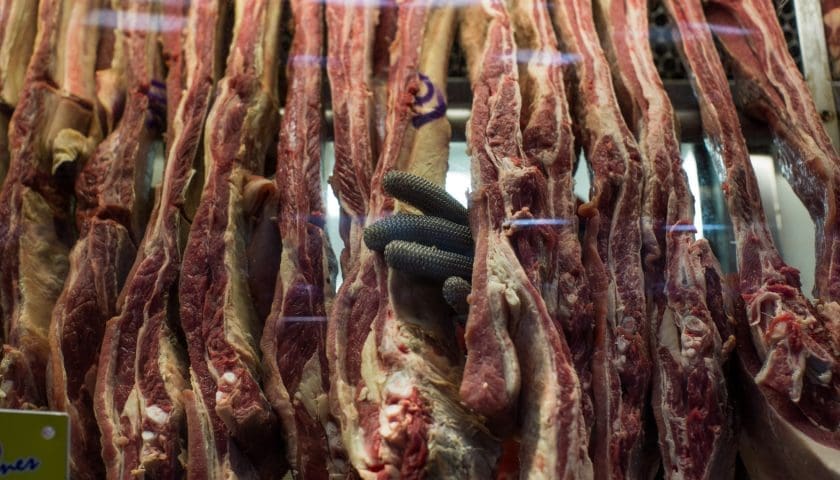
SOUTH AFRICA – South Africa’s beef sector experienced price relief in 2025, as global and domestic shortages pushed meat prices higher, according to Gert Blignaut, CEO of Beefmaster Group.
Blignaut said the industry has operated in a volatile environment for several years, and this instability is expected to persist into 2026 and 2027, though cautious optimism exists.
Between February and May, the price of slaughter cattle increased by around 15%, largely driven by scarcity rather than disease-related interruptions.
Smaller herd sizes and reduced slaughter volumes both locally and globally contributed to higher prices, easing pressure on feedlot operations.
Despite economic challenges such as inflation and unemployment, South African beef remained relatively affordable compared with international standards, maintaining consumer demand and export potential.
Blignaut projected that 2025 slaughter numbers would fall 5–7% from 2024 levels, while overall meat production could drop 13–15% due to lighter animals.
Sustaining favorable prices into 2026 will depend on either increased domestic consumption or expanded access to overseas markets.
Foot-and-mouth disease, present in the country since 2019, continued to disrupt production, with outbreaks in 2025 affecting feedlots and adding roughly 10% to cattle prices.
Blignaut noted that FMD imposes significant costs on farmers for preventive measures and distorts market pricing, creating economic losses when outbreaks occur.
The government confirmed a national vaccination programme in November 2025, with 950,000 animals vaccinated from government stock and priority-area campaigns expected to begin in February.
Guidelines for the feedlot sector’s participation in the programme are expected by the end of January, while industry leaders stress timely action to limit further economic impact.
Blignaut emphasized the importance of negotiating trade agreements for vaccinated herds to access export markets, linking vaccination rollout with international market stability.
Although some markets have shown willingness to accept beef from vaccinated animals, official agreements and health certificates are still required to formalize access.
South Africa exported more than 38,000 tonnes of beef in 2024, but Blignaut estimated a 30% decline in 2025 exports due to FMD and lost access to China.
Exporters are increasingly targeting Middle Eastern countries, with Southeast Asia identified as a potential area for growth, contingent on regulatory approvals.
Blignaut concluded that the industry’s recovery in 2026 will depend on the rapid implementation of vaccination plans and successful negotiations with trading partners to restore confidence in South African beef.
Sign up HERE to receive our email newsletters with the latest news and insights from Africa and around the world, and follow us on our WhatsApp channel for updates.