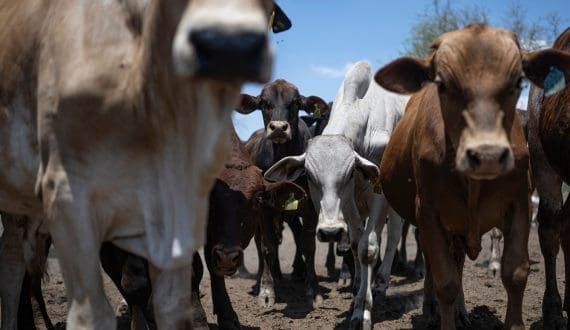

South Korea turns to U.S. egg imports as avian influenza disrupts supply
Fresh outbreaks in East and Southeast Asia continue to affect poultry and prompt monitoring of human cases
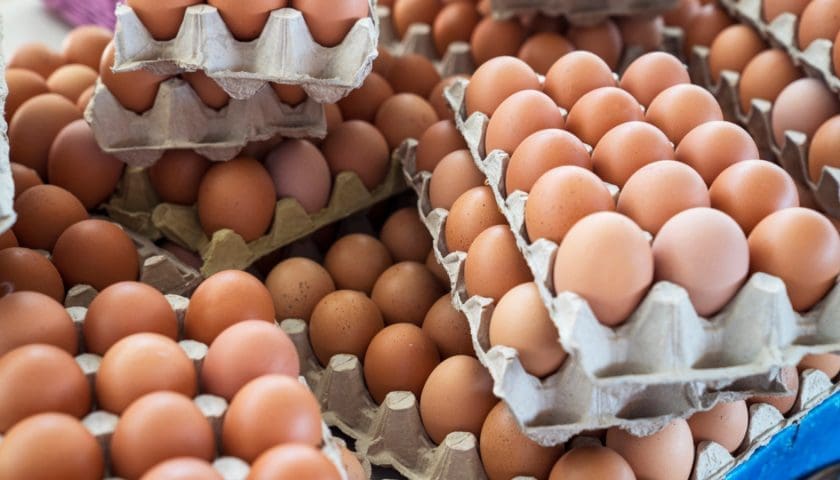
SOUTH KOREA – South Korea has begun importing shell eggs from the United States as authorities move to ease supply pressure created by repeated outbreaks of highly pathogenic avian influenza in commercial laying flocks.
Distribution of the imported eggs is set to start this week after the first shipment of more than 1.1 million eggs arrived in the country, with a second delivery of similar volume expected before the end of January, according to the Yonhap news agency.
The decision follows a sustained decline in domestic egg output after multiple avian influenza detections at layer farms, which officials say reduced market availability and prompted authorities to look abroad for short-term supply.
This marks the first significant purchase of U.S. shell eggs by South Korea in roughly two years, during which a prior wave of avian influenza infections also disrupted production and led to overseas sourcing.
Health authorities report that South Korea has recorded 38 avian influenza outbreaks so far this season, with the most recent confirmed on January 21 at a broiler breeder farm in South Chungcheong province housing about 107,000 birds.
Laboratory testing showed the flock was infected with the H5N9 strain, making it the tenth poultry farm affected nationwide in January and the third detection of this variant in domestic poultry since December.
In the week before that case, two additional farms tested positive for the H5N1 strain, including one operation in South Chungcheong province and another duck farm in South Jeolla, extending the geographic spread of infections.
Since October, avian influenza has been detected on poultry farms across five provinces as well as in the city of Gwangju, indicating sustained virus circulation during the winter production season.
Regional situation in Asia
Japan has also reported five new outbreaks over the past two weeks, bringing the country’s total to 18 since October and affecting more than 4.2 million birds through deaths and preventive culling, based on official reports to the World Organisation for Animal Health.
The latest Japanese cases involved three-layer farms, one broiler operation, and one quail facility across four regions, with all confirmed outbreaks this season linked to the H5N1 strain.
Elsewhere in Asia, the Philippines continues to manage four active outbreaks in Central Luzon, while Israel has reported new H5N1 detections in wild birds, as China confirmed three additional human infections with avian influenza A(H9N2) in children late last year.
Sign up HERE to receive our email newsletters with the latest news and insights from Africa and around the world, and follow us on our WhatsApp channel for updates.