
Uganda gains EU approval for farmed fish exports
Officials aim for higher export revenue and increased investment in the sector
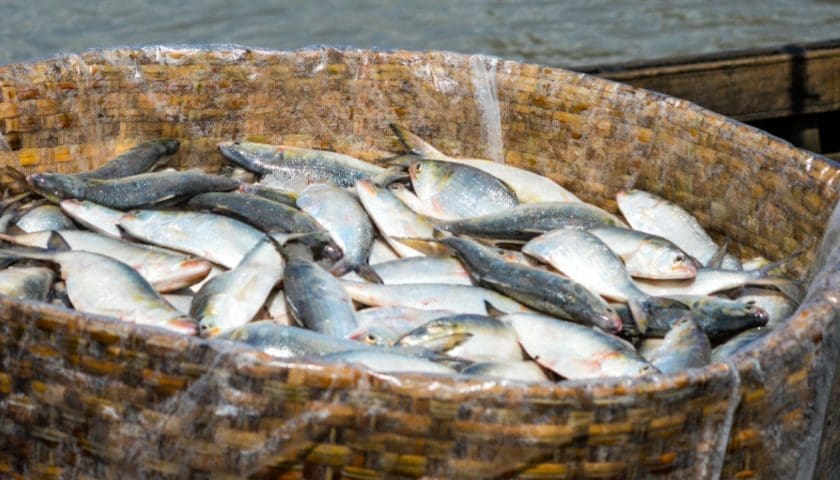
UGANDA – Uganda has received authorization from the European Union to export farmed finfish, allowing the country to access a high-value international market that previously focused on its wild-caught fish.
Authorities in Kampala are targeting approximately US$730 million in fish export earnings for the 2024 to 2025 fiscal year following the clearance.
Government officials say the approval is expected to attract investment, improve production standards, and accelerate the country’s ambitions for export-driven growth.
Uganda’s fish market outlook
Fish production is an important component of Uganda’s economy, supporting food security and providing foreign exchange earnings.
The industry comprises both traditional wild-capture fisheries and a fast-growing aquaculture segment, with the former historically dominating output.
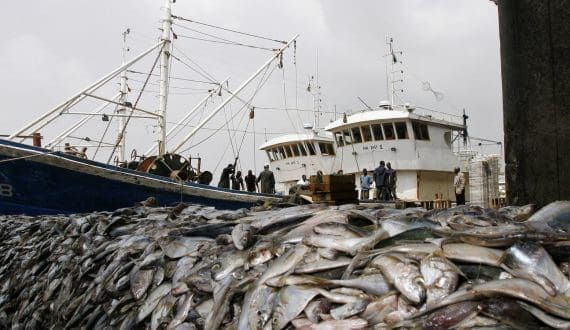
Lake Victoria has been the main source of wild-caught fish, particularly Nile perch, which is exported as fillets to Europe, the Middle East, and parts of Asia.
Uganda also supplies regional markets, including Kenya, the Democratic Republic of Congo, Rwanda, and South Sudan, with wild-caught fish.
Annual earnings from wild capture fisheries have ranged between US$125 million and US$170 million in recent years, ranking fish among the country’s top non-traditional exports after gold and coffee.
Overfishing, environmental pressures, and inconsistent catches have highlighted the need for a more diversified fish production system.
Aquaculture has grown rapidly, and Uganda is now the leading producer in East Africa and the second-largest in Sub-Saharan Africa, behind Nigeria.
Farmed species such as Nile tilapia and African catfish are raised in ponds, cages on Lake Victoria, and tanks across the country.
Production estimates from the mid-2000s suggested an annual output of around 15,000 tonnes, but more recent figures indicate growth to tens of thousands of tonnes, with cage farming contributing most of the volume.
The sector benefits from favourable conditions, including a tropical climate, abundant water resources, two rainy seasons, and access to feed crops.
Large-scale operations such as Yalelo export the majority of their harvest, often more than 70%, mainly to regional markets.
Smaller farms supply local consumption and national supply chains, supported by government interventions, hatchery programs, and partnerships with organisations like the Food and Agriculture Organisation.
Sign up HERE to receive our email newsletters with the latest news and insights from Africa and around the world, and follow us on our WhatsApp channel for updates.