

US gains market access for cattle, chicks, eggs in Ethiopia
The agreement follows recent US support for a major airport project in the country.
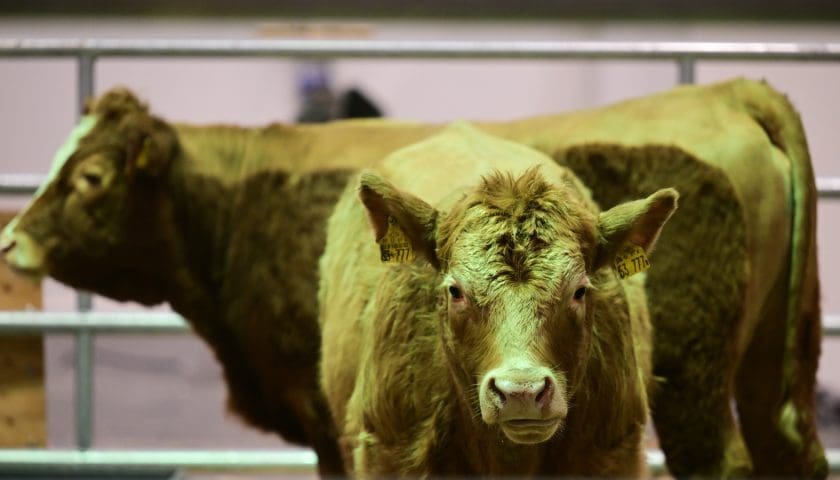
ETHIOPIA – The United States Department of Agriculture announced that Ethiopia has granted market access for several American livestock products.
Officials from both countries completed new veterinary health certificates to allow these exports.
The USDA confirmed the finalisation of the certificates in a report released on December 23, 2025.
These documents cover shipments of live cattle, day-old chicks, and hatching eggs. The deal also extends to US bovine semen and bovine embryos.
This development arrives three months after the US pledged backing for Ethiopia’s US$10 billion Bishoftu International Airport project near Addis Ababa.
That commitment represents the first significant business move by the current US administration in the Horn of Africa region.
Ethiopia maintains a large livestock population.
The country holds about 70 million cattle, 43 million sheep, 53 million goats, eight million camels, and 57 million poultry.
Livestock activities account for around 45% of the nation’s agricultural GDP.
Productivity in the sector remains limited.
Factors such as low-yield local breeds, insufficient feed supplies, scarce veterinary services, and underdeveloped processing facilities hold back output.
Ethiopian officials seek to introduce higher-productivity breeds and shift toward more intensive farming methods.
Government strategies target growth in dairy, beef, and poultry production.
The National Dairy Development Strategy for 2022-2031 aims to increase milk output fourfold through advances in genetics, feed, and management practices.
Programs like the Bounty of the Basket initiative support these goals.
Demand for beef stays strong in Ethiopia. Export opportunities are also expanding.
Authorities plan to enhance genetics, improve feed availability, and develop dedicated beef fattening operations.
Poultry numbers continue to rise. Rapid population growth and urbanisation drive the need for affordable protein sources.
These trends create openings for suppliers of advanced genetics and reproductive materials.
Several challenges persist in the livestock value chain.
Weak integration across stages, restricted access to quality feed and veterinary care, poor biosecurity measures, and shortages of high-quality day-old chicks and hatching eggs slow progress.
The USDA states that improvements in genetics, services, and market systems are essential to realise the full potential of Ethiopia’s livestock industry.
Sign up HERE to receive our email newsletters with the latest news and insights from Africa and around the world, and follow us on our WhatsApp channel for updates.