
US$150,000 investment in South Africa targets Port St. Johns lobster production
Eastern Cape Development Corporation injects funds to increase lobster output and prepare cooperatives for 2026 season.
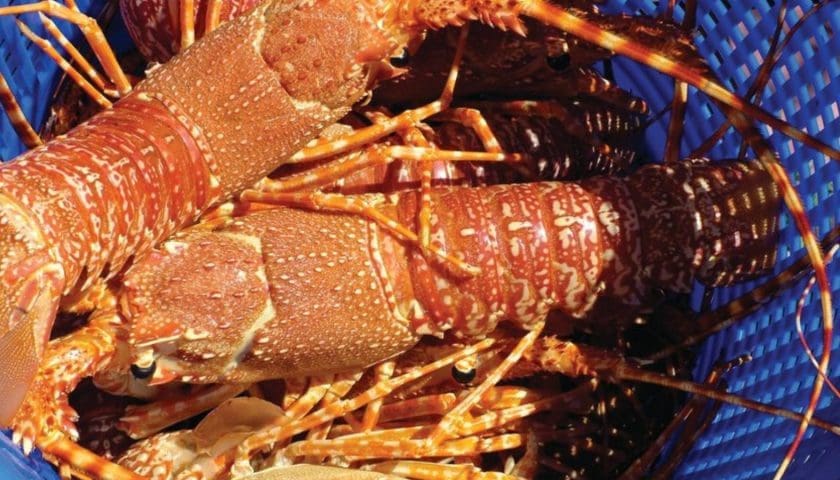
SOUTH AFRICA – The US$150,000 (R2.8 million) investment supports the Tsweleni Rock Lobster Project, aiming to produce 7 tons of lobster between March and October 2026, to reach 10 to 12 tons in the coming years.
Of the total funds, US$90,000 (R1.7 million) was used to build a holding facility with 10 seawater tanks, while a 12-metre freezing unit was supplied by the OR Tambo District Municipality to maintain lobster quality until sale or transport.
The remaining funding is allocated to operational costs, including stock purchases, salaries, transport logistics, electrical upgrades, security, and the acquisition of fishing permits, according to ECDC Acting Manager for Financial Incentives and Business Support, Fikile Mzinyati.
Cooperative Structure and Production
The project operates under the Singabalobi Secondary Cooperative, bringing together seven primary cooperatives: Lower Luphoko, ALBZ Industries, Manxokweni, Ndluzula, Rhebu, Nxonxa, and Mhadini fishing cooperatives.
During the 2025 season, the cooperatives produced over 1.8 tons of lobster, including 370 kg exported alive to Asian markets such as Hong Kong and Taiwan.
A joint venture, RS Foods, was formed with seafood aggregator Rekaseed to manage commercial operations and provide access to international buyers.
RS Foods handles the business side, while Rekaseed maintains the necessary permits for transporting lobster and assists with connecting buyers, with exports currently managed through an agent in Gqeberha.
For 2026, most of the expected 7-ton harvest will be sold as frozen lobster, offering a longer shelf life and market flexibility despite lower revenue than live exports.
The project also plans to expand the holding facility to support more cooperatives in Port St. Johns and to introduce on-site seafood processing.
European Market Engagement
The operation received attention after a German delegation visited in February as part of a Seafood Sourcing Mission to identify producers capable of supplying European markets and assess requirements to meet international standards.
The visit, coordinated with ECDC, is part of efforts to evaluate export readiness in the Eastern Cape, strengthen compliance, and connect local seafood businesses to European buyers, leveraging the province’s marine resources and processing capacity.
Rekaseed director Duncan Sejosengoe said the initiative is a step toward building a fully integrated seafood value chain, with infrastructure and certifications key to meeting Import Promotion Desk standards and expanding international sales.
He added that completing the value chain is intended to support the economic participation of local fishing communities and improve the commercial viability of the sector.
Sign up HERE to receive our email newsletters with the latest news and insights from Africa and around the world, and follow us on our WhatsApp channel for updates.