2 Sisters Food Group to cut soybean use 23% in feed shift toward British protein
Plan links to net zero target by 2035 and stricter land-use sourcing rules.
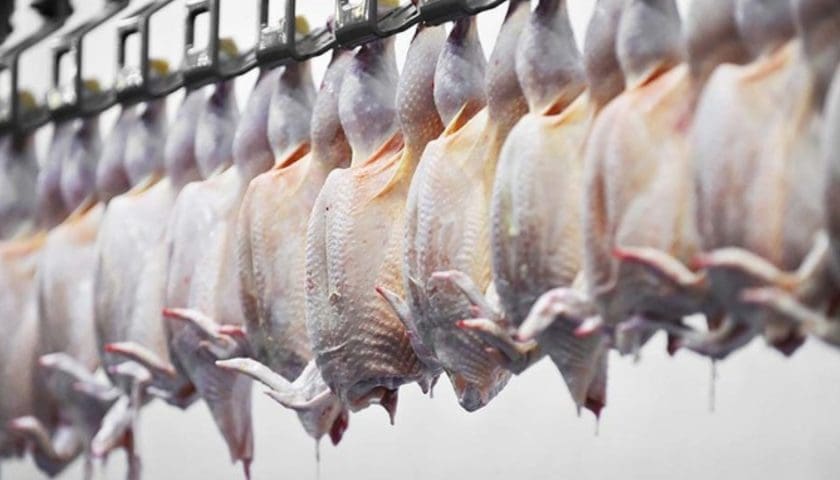
UK – 2 Sisters Food Group has outlined a new feed and sourcing plan that reduces reliance on imported soybean meal while increasing use of British-grown protein, as part of its NextGen strategy targeting net zero emissions by 2035.
The company said it is extending its deforestation-free sourcing programme to also cover land conversion, offering premium payments to soybean producers in South America who meet stricter environmental criteria that go beyond existing industry rules.
It stated that sourcing soybean meal from farms with no deforestation or land conversion for more than 18 years lowers land-use related emissions, with the change expected to cut the carbon footprint of its soybean meal supply by about 70% starting July 2026.
Feed sourcing shift
In parallel, 2 Sisters has adjusted chicken feed formulations to replace 23% of imported soybean meal with British oilseed rape and beans, supported by annual purchases of about 150,000 metric tons and an investment of roughly US$63 million into UK agriculture.
The company added that earlier feed adjustments over the past three decades have already reduced emissions by around 15%, while also supporting soil quality, lowering synthetic fertiliser demand, and improving pollinator habitats across 46,000 hectares of farmland, with the latest changes expected to cut about 670,000 metric tons of emissions and reduce Scope 3 emissions by more than 20%.
By the end of 2027, soybean meal will be fully removed from chicken feed at the Coupar Angus site in Scotland and replaced with locally sourced peas, seeds and beans as part of the transition.
Welfare and production standards
All birds supplied by the company are raised under Red Tractor certification, with around 80% kept at lower stocking densities and a significant share produced under the Better Chicken Commitment that uses slower-growing breeds, aligning production practices with the revised feed strategy.
Group director of quality, sustainability and agriculture Kate Stein said the approach combines environmental targets with animal production standards by increasing local sourcing and reducing emissions intensity, positioning the feed strategy as part of a broader shift in how the business manages its supply chain.
Sign up HERE to receive our email newsletters with the latest news and insights from Africa and around the world, and follow us on our WhatsApp channel for updates.