Steep drop in seafood, other food prices offsets modest inflation rise in Oman
Inflation in Oman climbed by 0.56% in March, but masked falling food costs, including a steep drop in fish, seafood, and vegetables.
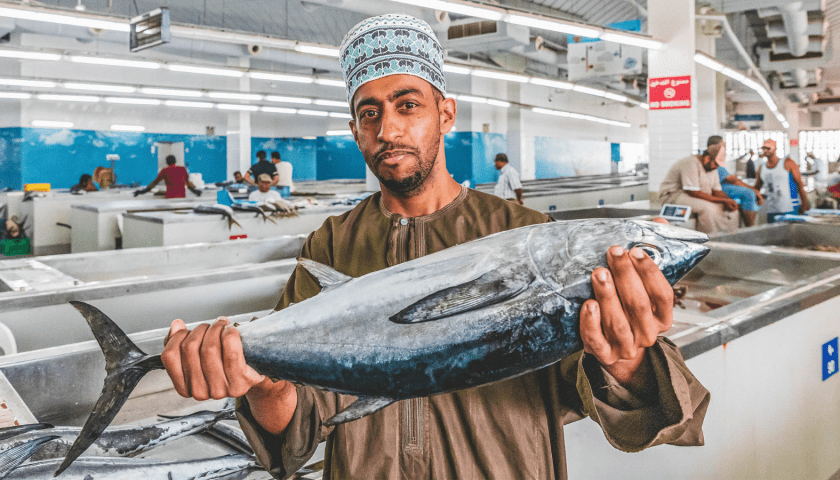
OMAN – Oman’s annual inflation rate increased marginally by 0.56% in March, although the headline figure concealed notable price reductions in several essential food categories.
Official figures show that prices for fish and seafood declined by 6.95% compared to the same month last year, while vegetables saw a sharper annual drop of 10.23%.
The food and beverages category, which holds the largest weight in the country’s consumer price index, declined by 0.74% year-on-year and fell by 0.58% on a monthly basis.
Within this group, prices for milk, cheese, and eggs rose 2.97% compared to March 2023, whereas bread and cereals dropped 0.55%, and meat slipped by 0.44%.
On a monthly comparison, the cost of fish and seafood decreased by 3.53% from February to March, continuing a trend of lower prices in that segment.
Meanwhile, fruit prices moved in the opposite direction, rising 3.25% month-on-month, alongside a 0.72% increase in miscellaneous goods and services.
Despite the increase in overall inflation, Oman continues to record one of the lowest rates in the Gulf region, attributed to government spending controls, strong oil earnings, and growth in non-oil sectors.
In fact, the country’s general consumer index declined by 0.36% in March from the previous month, reflecting the impact of falling prices in certain categories.
Rising Costs in Other Segments
Among the categories that posted the highest annual increases, miscellaneous goods and services led with a 6.11% rise, followed by health at 3.22% and transport at 1.74%.
However, transport costs recorded a decline of 1.86% on a monthly basis, partly offsetting the annual gain.
In neighboring Gulf countries, Saudi Arabia reported a 2.3% annual inflation rate in March, mainly influenced by rising housing and utility expenses.
Dubai’s inflation eased to 2.8% in March, down from 3.15% in February, helped by declining costs in food and transport.
Economic Outlook Remains Steady
Oman’s Ministry of Finance has maintained its 2025 budget forecast, supported by continued oil revenue and a push for economic diversification.
The sultanate recorded real GDP growth of 1.3% in 2023, largely driven by non-oil industries, which are expected to contribute 70.5% to GDP by 2025.
Oman’s GDP is projected to reach US$114.66 billion by 2025, with public revenue estimated at US$29.11 billion.
The government continues to prioritize lowering public debt and encouraging private sector participation in line with the Vision 2040 plan.
Sign up HERE to receive our email newsletters with the latest news and insights from Africa and around the world, and follow us on our WhatsApp channel for updates.