South Africa secures new citrus cold-treatment approval for India after decade of talks
The CGA said the focus must now shift towards improving the commercial conditions under which South African citrus enters India.
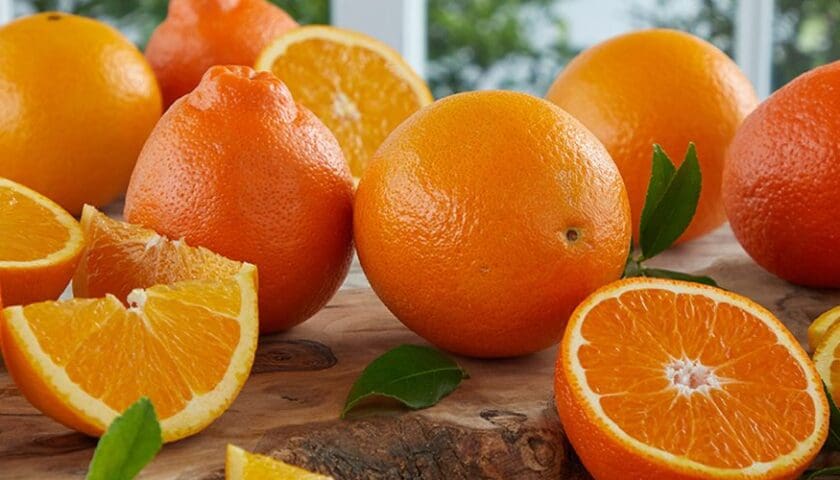
SOUTH AFRICA – South Africa has secured approval for additional cold-treatment options for citrus exports to India after nearly a decade of negotiations, a development expected to improve fruit quality and provide exporters with greater logistical flexibility.
Agriculture Minister Willie Aucamp welcomed the development, describing it as an indication of how advances in technology are helping South African farmers overcome barriers and expand access to international markets.
“This is not only good news, but also indicates how advanced technology enables our farmers to push barriers to have other countries enjoy our high-quality produce,” Aucamp said.
The newly approved protocols are designed to eliminate fruit flies more effectively while ensuring higher fruit quality. South Africa already exports citrus to India using various fruit-fly treatment protocols, but the new options are expected to improve fruit quality in the market while providing exporters with greater logistical flexibility.
CGA chief executive Dr Boitshoko Ntshabele credited the Department of Agriculture and Citrus Research International for their sustained technical engagement with Indian authorities, which helped secure approval of the new treatment options.
“Special recognition is given to the Department of Agriculture and Citrus Research International for their continued technical engagement with Indian authorities that have made the new treatment options possible,” Ntshabele said.
Technology played a crucial role in overcoming trade barriers by enabling the development of advanced cold-treatment protocols that effectively eliminate fruit flies while preserving fruit quality.
In addition, the sustained technical engagement between South African experts and Indian regulators ultimately secured approval for the new treatment options.
However, the CGA said the focus must now shift towards improving the commercial conditions under which South African citrus enters India. Most-Favoured-Nation tariffs of approximately 25% to 30% continue to disadvantage South African exporters compared with Southern Hemisphere competitors that benefit from preferential tariff arrangements.
South Africa struggles to compete with other exporters because these high import tariffs make South African citrus more expensive in the Indian market than competitors with preferential tariff arrangements.
Ntshabele said the CGA looked forward to working with the Department of Trade, Industry and Competition to address these tariff barriers and improve the competitiveness of South African citrus in India.
Ultimately, combining improved phytosanitary access with competitive tariff conditions will be essential to unlocking India’s market potential for South African citrus.
Sign up HERE to receive our email newsletters with the latest news and insights from Africa and around the world, and follow us on our WhatsApp channel for updates.