

ACIAR to invest US$2.4M to support sheep, goat farmers in Ethiopia and Pakistan
The initiative aims to improve breeding practices and market access for smallholder livestock farmers in both countries.
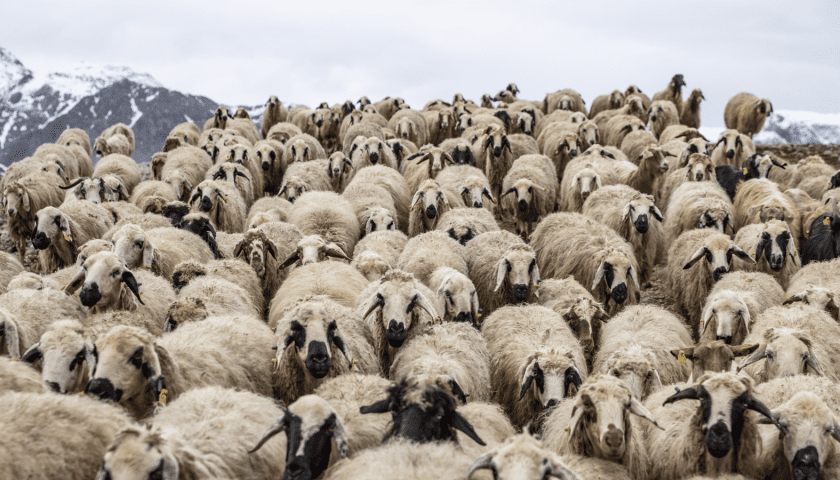
ETHIOPIA – A new four-year program worth US$2.4 million (approximately 4 million AUD) is being rolled out in Ethiopia and Pakistan to support smallholder sheep and goat farmers by improving breeding systems and access to markets.
Funded by the Australian Centre for International Agricultural Research (ACIAR), the initiative focuses on enhancing economic outcomes for rural communities that rely on small ruminant farming as a primary source of income and nutrition.
The project is being led by the International Center for Agricultural Research in the Dry Areas (ICARDA) and will draw from over ten years of ACIAR-supported research across Asia and the Pacific.
One of its main strategies is to adapt successful community-based breeding programs (CBBPs) already in use in Ethiopia to new regions, including Pakistan, with the aim of increasing genetic gains in small ruminants.
In Ethiopia, sheep and goats play a critical role in supporting households with limited land access, particularly for women and youth who are often excluded from other forms of agriculture.
However, poor animal health services, uncontrolled breeding practices, and limited market opportunities continue to prevent these farmers from benefiting fully from their livestock.
To address this, the project will introduce breeding programs that involve farmers directly in selecting and mating animals, so that improvements match local needs and production goals.
Previous use of CBBPs in Ethiopia has shown increased productivity and better income for farmers, outcomes that the project hopes to replicate and expand upon.
Improving market access and digital tools
Alongside breeding, the project will also work to improve how smallholder farmers sell their animals by supporting the formation of breeder cooperatives and introducing digital tools for trade.
These changes aim to give farmers more reliable access to buyers and better prices for their livestock, addressing long-standing issues of market fragmentation.
There will also be efforts to train farmers—especially women and younger people—in technical and business skills to ensure broad participation in the new systems being introduced.
According to Dr. Anna Okello, who heads ACIAR’s Livestock Systems research program, the project is designed to build practical and inclusive solutions for long-term improvements in small ruminant farming.
Sign up HERE to receive our email newsletters with the latest news and insights from Africa and around the world, and follow us on our WhatsApp channel for updates.