FAO reports strong meat, fish production as global food trade remains unstable
Latest outlook shows growing demand and record levels in rice and maize despite uncertainty in import costs and policy tensions.
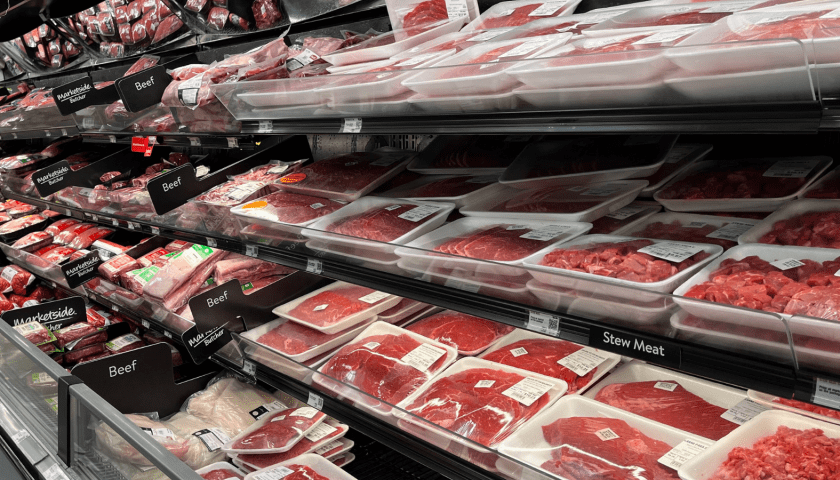
WORLD – The UN’s Food and Agriculture Organization (FAO) says international meat and fish markets are showing signs of strength, even as global food trade faces rising costs and unpredictable policy shifts.
In its latest Food Outlook report, FAO notes that poultry exports remain steady despite ongoing outbreaks of avian influenza, which has caused significant losses in key producing countries.
Brazil, responsible for around 30% of global poultry meat exports, confirmed its first outbreak of the virus in a commercial farm this year, raising new concerns for 2025.
Meanwhile, egg production hit 91 million tonnes in 2023, equal to roughly 1.7 trillion eggs, with China producing over a third of this total, followed by India and the US.
International trade in eggs nearly doubled in 2024 to over 4 million tonnes, contributing to persistent price swings across importing countries.
The FAO highlights that highly pathogenic avian influenza (HPAI) has caused widespread culling, particularly in egg-laying hens, with the US losing over 173 million birds since 2022 and facing related management costs exceeding US$1.4 billion.
As for fisheries, concerns have emerged around mislabelled products due to the complexity of seafood supply chains and growing economic incentives for fraud.
The report links practices such as switching species, misrepresenting catch areas, or disguising farmed fish as wild-caught to profit motives in the global aquaculture sector.
Food crops and trade dynamics shifting
While meat and seafood are holding firm, food crop markets are seeing mixed developments driven by production growth on one hand and import cost volatility on the other.
Grain production is forecast to reach new highs, with coarse grains such as maize expected to rise by 3.4%, mainly due to increased planting in the US, the EU, and Southern Africa.
Global rice production is projected to hit 551.5 million tonnes this year, a 0.9% increase, driven by growth in Asia, with demand from Africa boosting trade to a forecasted 60.5 million tonnes.
Per capita rice consumption is also increasing, especially in lower-income, food-insecure countries.
In contrast, sugar output is expected to decline slightly, while wheat production may rise modestly, bolstered by favourable weather in Europe and a potentially record season in India.
FAO estimates the 2024 global food import bill has grown by 3.6% to nearly US$2.1 trillion, mainly because of higher costs for beverages like coffee and cocoa, as well as for fruits, vegetables, and meat.
However, the import cost for cereals dropped by 4.6%, which may offer slight relief for countries heavily reliant on grain imports.
A separate section of the report explores the effects of fertiliser prices, which have eased to an average of US$437 per tonne, down from the 2022 peak, though trade in these products remains shaped by shifts in the Russian Federation’s global market share.
Finally, FAO warns that the push to reduce shipping emissions could create new costs for developing countries that rely on food imports by sea.
Sign up HERE to receive our email newsletters with the latest news and insights from Africa and around the world, and follow us on our WhatsApp channel for updates.