Philippines suspends cattle imports from France, Italy over disease concerns
Outbreaks of Lumpy Skin Disease prompt livestock import restrictions
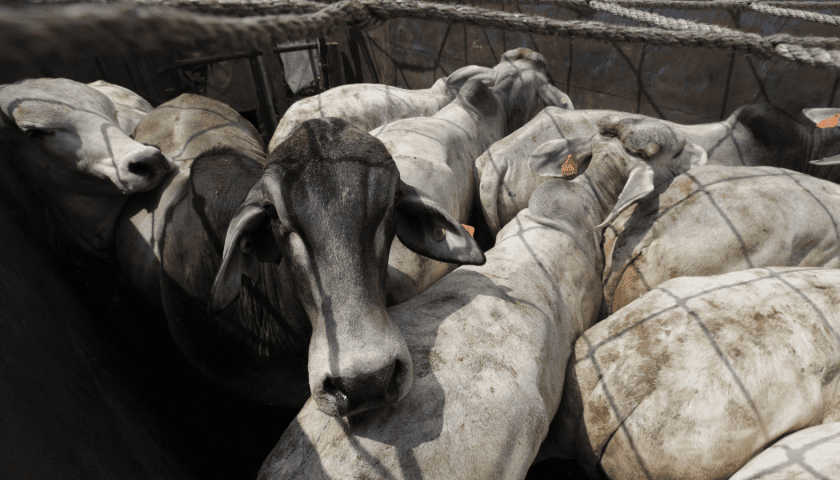
PHILIPPINES – The Philippine Department of Agriculture (DA) is temporarily stopping imports of live cattle and water buffalo from France and Italy after confirmed cases of Lumpy Skin Disease (LSD) in both countries.
The order, issued through Memorandum Orders 43 and 44, also applies to animal products, by-products, embryos, and semen from the affected nations.
Certain items are excluded from the restriction, including salt-treated hides, inspected meat and bones, blood meal, casings, gelatine, collagen, tallow, hooves, horns, and pasteurised milk products.
Agriculture Secretary Francisco Tiu Laurel Jr. said the decision is a preventive step aimed at shielding the local livestock sector from LSD, which primarily targets cattle and carabaos.
The viral disease spreads mainly through blood-feeding insects such as mosquitoes, flies, and ticks, and while it seldom causes death, it leads to fever, skin lesions, weight loss, reduced milk output, and possible trade disruptions.
Italy’s outbreak was recorded on July 18 in Orani, Nuoro, Sardegna, with confirmation provided by its National Reference Centre for Exotic Animal Diseases.
In France, the case was identified on June 23 in Chambéry and verified by the country’s veterinary office.
The DA stated that the import ban aligns with the World Organisation for Animal Health (WOAH) guidelines and existing national regulations, ensuring compliance with global animal health protocols.
The suspension will stay in effect until containment and eradication measures in France and Italy are deemed successful by Philippine authorities.
Officials pointed out that the two European nations are not among the Philippines’ key suppliers of cattle or buffalo, so the ban is unlikely to have a major impact on local supply levels.
However, they stressed that early intervention is necessary to prevent potential losses in livestock productivity and to maintain market stability.
While no estimates on possible economic impact have been released, the DA said monitoring efforts will continue to assess whether additional measures are needed to safeguard the livestock industry, which contributes significantly to the country’s agricultural revenue, valued at over US$6.8 billion (about PHP 402 billion) annually.
Sign up HERE to receive our email newsletters with the latest news and insights from Africa and around the world, and follow us on our WhatsApp channel for updates