NSF launches new global safe food packaging protocol
The certification will help manufacturers strengthen consumer trust, support regulatory compliance, and demonstrate a stronger commitment to food safety.
U.S.A – NSF, a global public health and safety organization, has launched a new certification protocol to tackle growing concerns over toxic chemicals in food packaging.
The protocol, known as NSF P525: Safe Food Packaging, sets out requirements for manufacturers to eliminate harmful substances from materials that come into contact with food and beverages.
The protocol addresses food contact chemicals (FCCs), a group of substances widely detected in humans and linked to health risks, including cancer, hormonal disruption, and reproductive harm.
A recent study published in the Journal of Exposure Science & Environmental Epidemiology found that 80 of these chemicals, when seen in humans, are hazardous and potentially harmful to health.
Certification under NSF P525 applies to single-use, primary, and secondary food packaging. It validates the absence of high-risk chemicals, including Bisphenol A (BPA), per- and polyfluoroalkyl substances (PFAS), heavy metals, and phthalates.
NSF says the certification will help manufacturers strengthen consumer trust, support regulatory compliance, and demonstrate a stronger commitment to food safety.
“Recent research has underscored the health risks of toxic substances leaching from packaging into food, increasing concerns among both consumers and manufacturers,” said Sam Cole, Director of Food Contact Evaluations at NSF.
He noted that “When you see the NSF P525: Safe Food Packaging certification mark on food products, you can rest assured that it has been reviewed by independent, third-party technical experts and scientists to help verify limited exposure to chemicals of concern,”
The new protocol was developed with input from a Protocol Development Panel, comprising industry stakeholders, retailers, and food manufacturers. The NSF has been active in developing public health standards for over 80 years.
The certification process involves multiple steps, including regulatory compliance checks, laboratory migration testing to assess potential chemical transfer from packaging into food, and verification of “free from” claims.
Packaging that meets the standard can be labeled with the official “NSF Food Packaging” certification mark and will be listed publicly by the organization.
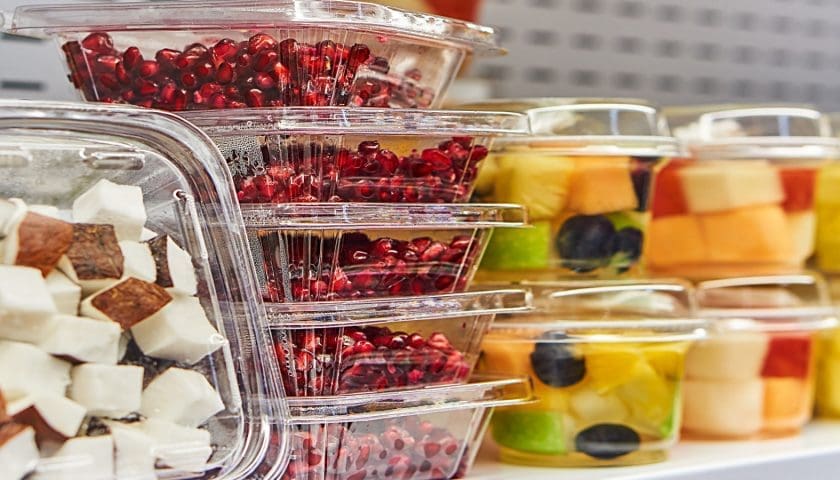
NSF P525 applies to a wide range of packaging types, such as boxes, cans, cartons, clamshells, films, foils, jars, pouches, trays, tubs, and wrappers. Materials covered include plastics, paper, glass, and ceramics.
Certification to NSF P525 is now available worldwide.
NSF currently works with 40,000 clients across 110 countries and serves as a World Health Organization Collaborating Center on Food Safety, Water Quality, and Medical Device Safety.
Sign up HERE to receive our email newsletters with the latest news and insights from Africa and around the world, and follow us on our WhatsApp channel for updates.