
JBS distributes ear tags to track cattle in Brazil
Meat giant delivers over 120,000 tags as part of compliance push
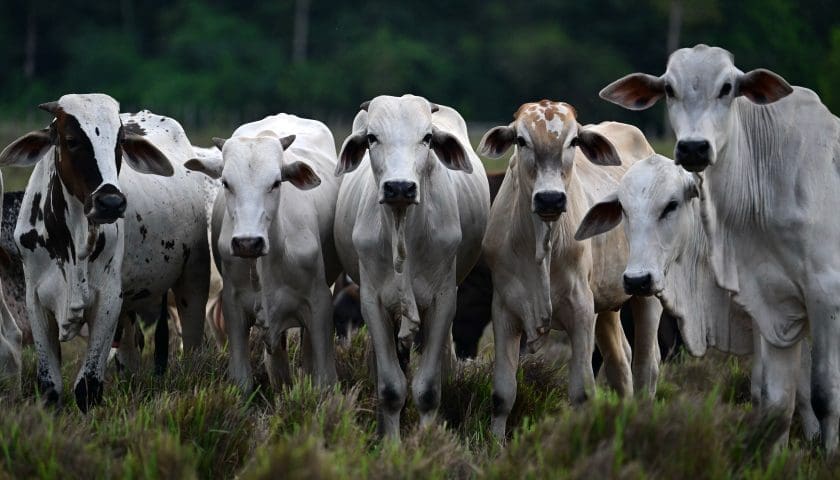
BRAZIL – Brazil’s JBS, the world’s biggest meat producer, has delivered 123,765 ear tags to cattle ranchers in Para to enable individual tracking of livestock, the company said in a statement on Monday.
The action follows a law passed in late 2023 requiring all ranchers in the state to tag their cattle by the end of 2026.
According to JBS, the company intends to distribute 2 million tags in collaboration with The Nature Conservancy, targeting small-scale farmers across the region.
Out of the tags delivered, 65,902 have already been fixed to animals on 89 farms, allowing JBS’s beef facility in Maraba to process individually tracked cattle from Para for the first time.
Tracking each animal is a significant undertaking given that Para alone has a herd of about 26 million cattle, a number comparable to Australia’s total.
Even so, the measure is being described as a step that could influence efforts to slow deforestation in the Amazon, where cattle ranching and soybean farming remain the primary drivers of forest loss.
Ibama investigation widens scrutiny
The development comes as Brazil’s environmental regulator Ibama investigates 12 slaughterhouses, among them two owned by JBS, over claims that they sourced cattle from illegally cleared land in the Amazon.
Ibama confirmed it is reviewing facilities thought to be using irregular supply chains but has not publicly identified the companies under review.
However, a document seen by Reuters listed JBS, Frigol, and Mercurio as among the firms being examined.
JBS has denied purchasing cattle from the areas flagged and said it will release more information once it has reviewed Ibama’s findings.
Frigol responded that the regulator had made an error and insisted it did not source animals from the identified farms.
Mercurio’s chairman Lincoln Bueno told Reuters the company relies on an independent service to verify animal origins and does not deal with suppliers marked for environmental or labor violations.
Ibama has said the inquiry is focused on the use of “cattle triangulation,” a practice where livestock from embargoed properties are moved through approved farms to obscure their origins.
Financial performance improves
The investigation coincides with JBS reporting its second-quarter results, with net revenue of US$20.9 billion compared with US$19.2 billion in the same period last year, an increase of 8.9 percent.
Much of the revenue growth came from poultry operations Seara in Brazil and Pilgrim’s Pride in the United States, which accounted for a significant share of earnings.
Between April and June, Seara recorded an adjusted EBITDA margin of 18.1 percent, while Pilgrim’s Pride posted 17.2 percent, both reflecting strong production outcomes.
Overall, JBS reported a quarterly net profit of US$528 million, up 60.6 percent from the previous year, while adjusted EBITDA reached US$1.7 billion with a margin of 8.4 percent.
Sign up HERE to receive our email newsletters with the latest news and insights from Africa and around the world, and follow us on our WhatsApp channel for updates.