

European pork producers face pressure as China imposes tariffs
Beijing places anti-dumping duties of up to 62.4% on EU pork imports
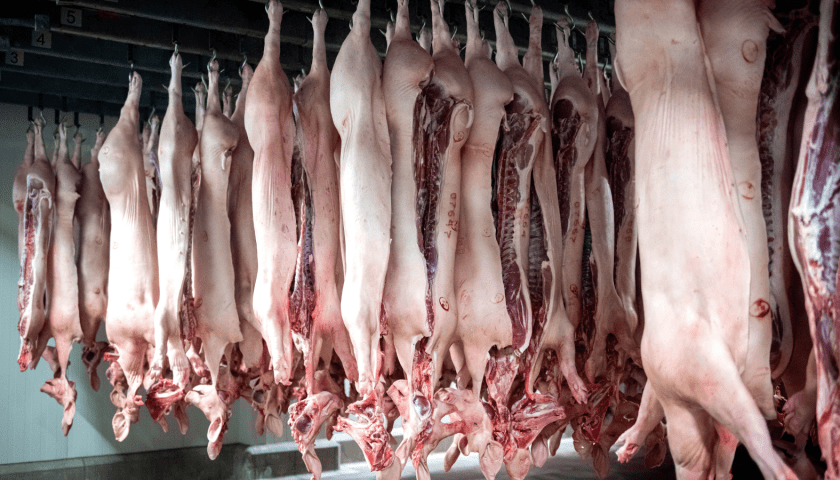
EUROPE – European pork exporters are bracing for reduced profits after China imposed provisional anti-dumping tariffs of up to 62.4% on pork shipments from the European Union.
The measures, which took effect on Wednesday, apply to more than US$2 billion (US$2,000,000,000) in annual trade and are set to disrupt one of the EU’s most important overseas markets.
China buys about a quarter of Europe’s pork exports, and deliveries to the country had risen by 4% in the first half of 2025 after three years of steady declines.
Much of this trade involves offal products such as pig ears, feet and snouts, which are consumed widely in China but have limited demand elsewhere, leaving European suppliers with few viable alternatives.
French pork industry group Inaporc warned that while shipments would continue, the returns would be weaker, with vice president Thierry Meyer saying lower export prices could translate into falling farmgate prices and reduced production across Europe.
This development arrives just as the sector was showing signs of recovery thanks to easing feed and energy costs, raising fears that the rebound could stall.
China’s Ministry of Commerce said on Friday that its preliminary investigation indicated that EU companies were selling pork below cost and harming local producers.
The duties are being viewed as part of the growing trade dispute between Beijing and Brussels, which intensified after the EU placed tariffs on Chinese-made electric vehicles.
That confrontation has already prompted Beijing to launch separate inquiries into European brandy and dairy products, deepening concerns of escalating trade friction.
Under the new rules, companies cooperating with Chinese investigators will face deposits ranging from 15.6% to 32.7%, while those that do not will be subject to the full 62.4% rate, with the probe expected to conclude in December.
Rabobank strategist Eva Gocsik said EU pig prices are likely to come under pressure, noting that options for redirecting offal are limited, while shifting other pork cuts to different markets could spark price competition.
Spain is the EU’s most exposed exporter, sending nearly half of all pork exports to China, followed by the Netherlands, Denmark and France.
Industry bodies such as Spain’s Interporc and the Danish Agriculture & Food Council said they intend to continue talks with Chinese officials during the investigation period.
Producers fear losing ground to lower-cost suppliers, as happened to US exporters earlier this year, while Brazil is seeking approval to sell offal to China and could expand its role in the market.
China still relies on imports for certain pork products, but a surge in domestic supply has reduced the need for foreign shipments.
Last month, the country’s state planner confirmed that 10,000 metric tons of frozen pork would be purchased for reserves, a move seen by analysts as a signal that domestic supply is outweighing demand.
Jean-Paul Simier of French research group Cyclope said China’s oversupply provides a clear incentive to curb imports from Europe while supporting local producers.
Sign up HERE to receive our email newsletters with the latest news and insights from Africa and around the world, and follow us on our WhatsApp channel for updates.