Philippines to increase pork imports as demand outpaces production
USDA projects imports rising in 2026 despite a modest recovery in local output
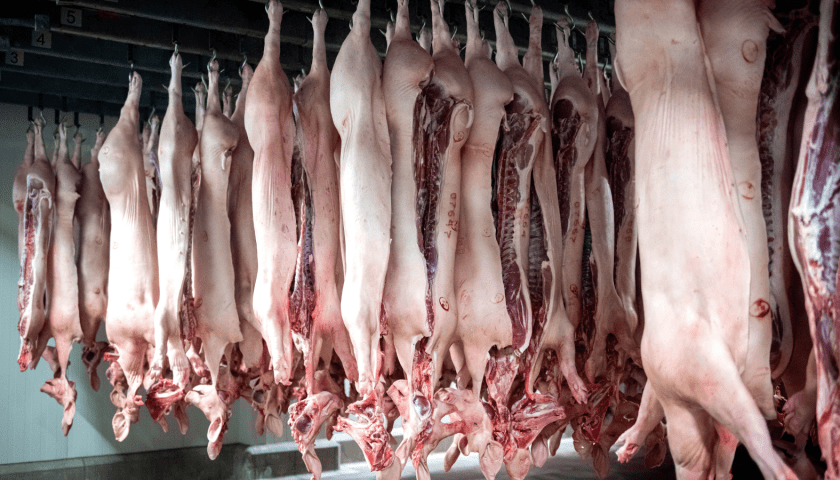
PHILIPPINES – The Philippines is set to purchase more pork from overseas in 2026, with demand expected to continue surpassing what local farms can produce, according to a report by the United States Department of Agriculture (USDA).
The USDA projected that local pork output could grow by 2% to 980,000 metric tonnes in 2026 from its revised 2025 estimate of 960,000 metric tonnes, helped by expanded African swine fever (ASF) vaccine coverage and stronger farm biosecurity.
This outlook is still below the agency’s earlier projection of 1 million metric tonnes, which was adjusted after ASF resurfaced in the second half of 2024 and disrupted herd recovery.
The USDA explained that wider use of government-administered vaccines, tighter farm disease control measures, and the adoption of improved swine genetics in commercial operations are expected to contribute to the output increase.
Lower feed costs, particularly with cheaper local corn and imported soybean meal, are also anticipated to ease expenses for farmers and support production growth.
Despite the recovery, pork imports are forecast to climb to 750,000 metric tonnes in 2026, a 7% rise from the 2025 estimate of 700,000 metric tonnes, as demand continues to grow alongside the country’s population.
The USDA added that it raised its 2025 import forecast by 17% to 700,000 metric tonnes from an earlier estimate of 596,000 metric tonnes, largely due to stronger shipments from Brazil.
The Department of Agriculture approved Brazil’s system accreditation in 2024, allowing the South American exporter to ship pork, beef, and poultry to the Philippines without being limited to specific plants.
During the first six months of 2025, Brazil supplied more than half of the Philippines’ pork imports, strengthening its position as the country’s top source of pork products.
With Brazilian pork consistently priced lower than meat from other suppliers, the USDA said the country is expected to maintain and even expand its share of the Philippine market in the coming years.
Industry stakeholders in the food processing sector have acknowledged that Brazil’s cost advantage is driving continued demand for its pork shipments to the country.
Sign up HERE to receive our email newsletters with the latest news and insights from Africa and around the world, and follow us on our WhatsApp channel for updates.