Shoprite to close Nigerian stores as retail challenges deepen
Nigerian outlets face empty shelves and closures
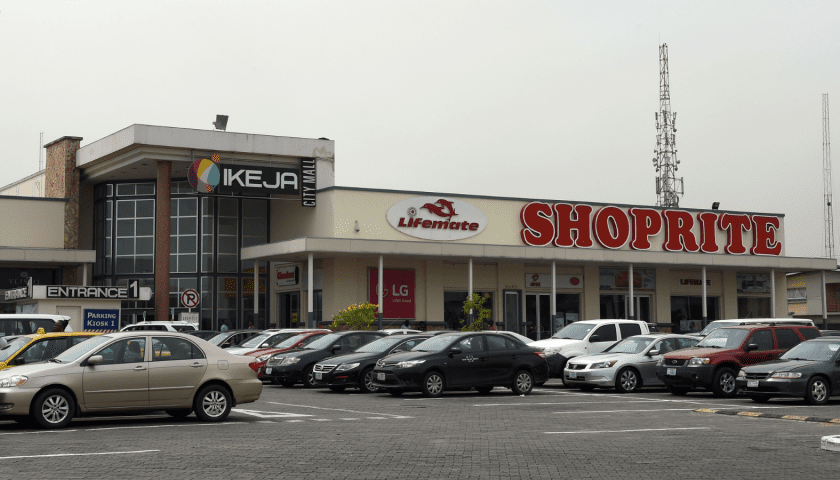
NIGERIA – Shoprite outlets in Nigeria are continuing to shut their doors, with stores in Ilorin and Ibadan now closed after a Kano branch was wound down in 2024.
Customers have also raised concerns about empty shelves across several remaining locations, pointing to mounting difficulties for the retailer in the country.
The South African-owned Shoprite Holdings exited Nigeria in 2021, selling its 26 supermarkets to Persianas, a local shopping mall operator, for US$73 million (Sh11.2 billion).
Although the brand name Shoprite remained in Nigeria under a new licensing deal, the transaction was concluded after years of persistent problems.
Among the challenges were heavy reliance on imports, regulatory disputes, currency depreciation, xenophobic unrest, and reduced consumer spending in an inflationary environment.
Shoprite was not the only South African retailer to retreat from Nigeria, as Woolworths, Truworths, Mr Price, and Massmart’s Game chain also abandoned the market over the past decade.
The contrast is striking given that Shoprite continues to grow in South Africa, while every expansion attempt outside Southern Africa has eventually been abandoned.
Retail Supermarkets Nigeria, which took over the Nigerian operations, inherited difficulties that have only worsened as the Naira lost significant value in 2024.
Even though the currency has recently steadied and foreign exchange reserves climbed to US$42 billion (Sh6.4 trillion) in September 2025, the company has struggled to recover.
Analysts note that businesses often collapse toward the end of downturns, as cash reserves and cost-cutting measures are exhausted, which may explain the mounting closures.
Nigeria’s economy is expected to expand in dollar terms over the next five years, but structural issues such as erratic power supply, supply chain gaps, and dependency on imports remain.
Shoprite Group’s performance
The Shoprite Group recently reported results for the year ending June 29, 2025, showing sales surpassing US$13.6 billion (Sh2.1 trillion), up by US$1.12 billion (Sh173.3 billion) from the previous year.
Chief executive Pieter Engelbrecht said the company returned US$904 million (Sh140 billion) in discounts and promotions at the point of sale while keeping supermarket price inflation at 2.3 percent.
Sales at Shoprite and Usave outlets grew 5.9 percent, adding US$357 million (Sh55.2 billion), with Shoprite alone holding inflation under 2 percent.
Checkers, another brand in the group, recorded 13.8 percent growth, contributing US$638 million (Sh98.6 billion) to reach almost US$5.5 billion (Sh850 billion).
The Sixty60 online delivery service expanded by 47.7 percent, with reported sales of US$6.4 billion (Sh989 billion).
The company is finalizing a continent-wide restructuring, though its future in Mozambique remains uncertain.
Shoprite once operated in about 15 African countries, but since 2020 it has scaled back following pressures from volatile currencies, dollar-based rents, weak commodity markets, and inflation.
The retrenchment has led to withdrawals from markets including Nigeria, Kenya, the Democratic Republic of Congo, Uganda, Madagascar, Ghana, and Malawi.
Sign up HERE to receive our email newsletters with the latest news and insights from Africa and around the world, and follow us on our WhatsApp channel for updates.