

U.S. cattle herd falls to smallest size since 1951 – USDA
Analysts say consumers should expect elevated beef prices to persist for several years
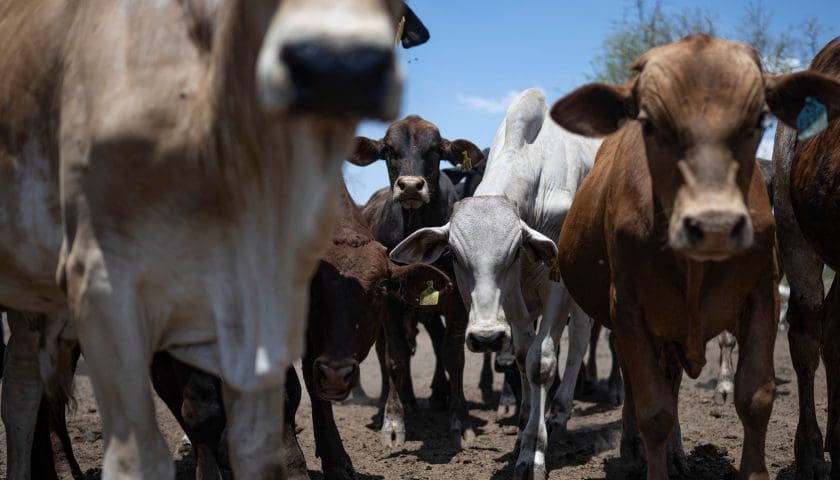
USA – The U.S. cattle population has dropped to its lowest level in more than seven decades, reinforcing expectations that beef prices will remain high after reaching record levels last year, according to new figures released by the U.S. Department of Agriculture.
In its latest twice-yearly inventory report, the USDA said the country had 86.2 million cattle and calves as of January 1, reflecting a decline of 0.4% from the previous year and marking the smallest herd size recorded since 1951.
The long-running reduction has been largely driven by prolonged drought conditions, particularly in western states, which have damaged grazing land and increased feed costs, prompting many ranchers to reduce herd sizes to manage expenses.
Market analysts say the current supply situation offers little near-term relief for consumers, as even a shift toward herd rebuilding would take at least two years to yield additional cattle at slaughter weight.
“There is no clear evidence that producers are moving aggressively to expand herds,” said Rich Nelson, chief strategist at Allendale, who noted that current incentives still favour selling cattle rather than retaining them for breeding.
Prices and consumer pressure
The supply squeeze has fed into broader inflation concerns, with high food costs contributing to a sharp drop in U.S. consumer confidence in January, which fell to its weakest level in more than 11 and a half years.
The pressure has landed squarely on President Donald Trump, who returned to office promising to ease affordability concerns, an issue that contributed to Democratic gains in several 2025 elections.
Despite an October pledge by Trump to lower beef prices, costs have continued to climb, with data from the Bureau of Labor Statistics showing that retail ground beef prices reached a record US$6.69 per pound in December, up more than 2% from November and roughly 19% higher than a year earlier.
The USDA report also showed that the number of cows raised specifically for beef fell 1% year on year to 27.6 million head as of January 1, the smallest figure recorded since 1961.
Industry impact
While the total cattle count includes dairy cows that are eventually processed into ground beef, shrinking numbers across both segments have tightened supplies for meat processors.
Tyson Foods, one of the largest beef processors in the United States, has responded to the challenging environment by permanently shutting a Nebraska plant employing about 3,200 workers and scaling back operations at a facility in Texas ahead of its upcoming earnings report.
Sign up HERE to receive our email newsletters with the latest news and insights from Africa and around the world, and follow us on our WhatsApp channel for updates.