German meat industry warns of rising global protein demand
Germany’s livestock sector calls for policy support to meet future animal protein needs
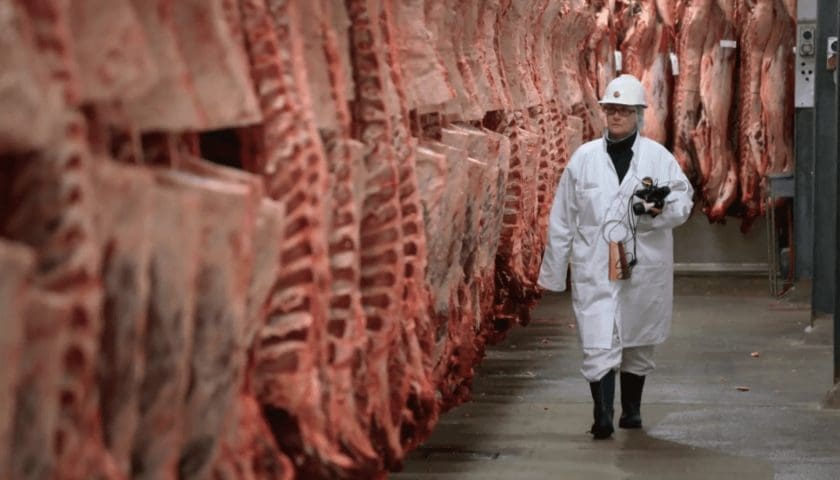
GERMANY – Europe’s meat industry is preparing for a sharp increase in global demand for animal protein, projected to rise by roughly 20 percent by 2050 compared to 2020, according to Dominik Wisser from the Food and Agriculture Organisation of the United Nations.
Wisser emphasized that animal-based proteins will remain an essential part of a healthy and balanced diet as populations grow and prosperity increases.
Meeting this demand while reducing greenhouse gas emissions will require improvements in animal husbandry efficiency, advances in breeding programs, higher feed quality, and strong attention to animal health, Wisser said.
The Association of the Meat Industry, known as VDF, said Germany is well positioned to handle the challenge of producing meat sustainably while maintaining high domestic standards.
Martin Müller, CEO of VDF, stated that German livestock and meat operations already achieve high levels of climate efficiency and comply with strict animal welfare requirements.
He added that ensuring Germany remains competitive in the sector will require clear licensing rules, a well-funded federal support program for livestock farming, and swift execution of the Federal Ministry of Food and Agriculture’s export strategy.
The VDF criticized recent efforts to reduce animal husbandry in Germany, describing them as counterproductive in a global context where demand continues to grow.
The association warned that a weaker domestic livestock sector could lead to carbon leakage and the erosion of German expertise in areas such as animal husbandry, meat processing, and whole-animal utilization.
Müller said recent shifts in federal policy suggest the government is acknowledging the need to reverse these trends to maintain the country’s position in the global meat market.
The VDF hosted its Parliamentary Evening on January 28, 2026, in Berlin, where officials from the federal government, the Bundestag, state administrations, and industry leaders met to discuss current challenges and future directions in global food production.
Attendees focused on strategies to align Germany’s meat production with sustainability targets while preparing for rising international protein demand, reflecting growing concerns over climate pressures and market competition.
The event highlighted the tension between maintaining high environmental and animal welfare standards and securing the economic viability of domestic meat production in a globally connected market.
Experts at the gathering agreed that policy clarity and government support will play a central role in enabling German producers to meet future protein requirements without compromising operational standards or competitiveness.
Germany’s meat sector appears set to continue advocating for measures that combine sustainability goals with practical industry support, as the global market for animal protein is expected to expand steadily over the coming decades.
Sign up HERE to receive our email newsletters with the latest news and insights from Africa and around the world, and follow us on our WhatsApp channel for updates.