Indian exporters face US$1,000 freight hikes as rerouting drives up costs
For perishable goods, extended sea time directly affects product quality upon arrival.
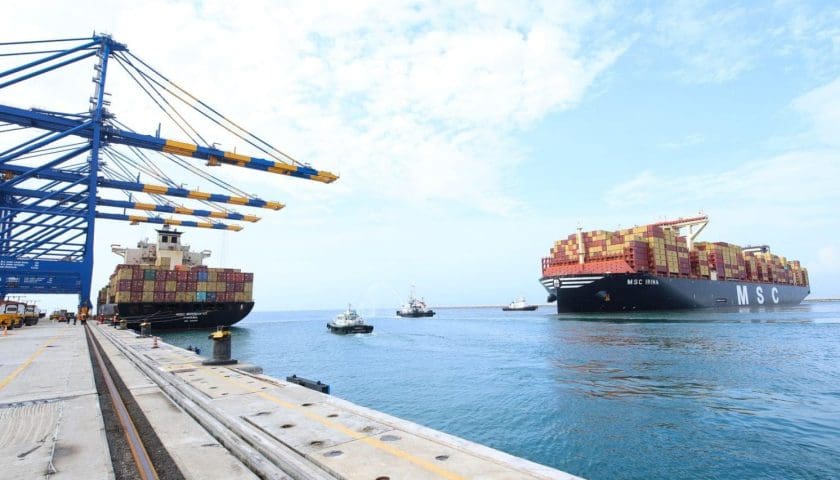
INDIA – Shipping rates from India to Europe have increased by up to US$1,000 per container, with carriers including Mediterranean Shipping Company, AP Moller-Maersk, and CMA CGM applying increases across key routes.
These adjustments, in addition to Emergency Conflict Surcharges, War Risk Premiums, and fuel-related surcharges, have significantly increased total logistics costs.
For fresh produce exporters, these disruptions threaten the integrity of the cold chain and global competitiveness.
Rerouting Cape of Good Hope: Longer Voyages, Higher Costs
The second round of increases differs from the March adjustments. The initial increases were viewed as temporary, whereas current rates reflect longer-term cost changes linked to routing and fuel use.
Rerouting via the Cape of Good Hope is extending transit times by 10 to 14 days and increasing fuel consumption and insurance costs. The India-Europe corridor is affected by disruptions to the traditional Suez Canal and Red Sea routes. Alternative routing is increasing voyage costs, which are being passed directly to exporters.
For perishable goods, extended sea time directly affects product quality upon arrival. Cold chain management becomes more difficult over an additional 10 to 14 days, increasing the risk of spoilage and reducing the remaining shelf life of fruits, vegetables, and frozen products.
Sectoral Impact: Perishable Goods at Risk
Perishable-goods exporters handling shipments valued at up to US$1.5 billion annually are experiencing longer transit times, which are affecting cold-chain management.
Additionally, higher logistics costs are undermining competitiveness in export markets, as Indian produce competes with suppliers from South Africa, Kenya, and South America who may face different routing economics.
In the rice sector, exporters are exploring alternative trade arrangements. For instance, approximately 400,000 tonnes of basmati rice are reportedly held at ports or in transit because of disrupted shipping and payment channels.
Outlook for Middle East and Africa Food Investors
Exporters report that current conditions are linked to extended rerouting, higher fuel consumption, and limited vessel availability, with ongoing uncertainty affecting logistics planning and cost structures.
For Middle Eastern food importers who rely on Indian produce, including rice, spices, frozen meat, and processed fruits, higher freight costs will likely translate into higher purchase prices.
African food businesses sourcing from India face similar pressures. As carriers maintain surcharges indefinitely, food supply chain stakeholders must re-evaluate supplier diversification, explore alternative shipping corridors, and build buffer inventory to mitigate the impact of extended transit times.
Sign up HERE to receive our email newsletters with the latest news and insights from Africa and around the world, and follow us on our WhatsApp channel for updates.