

Maersk notes rising reefer demand as Africa citrus, flower season peaks
Maersk said uncertainty persists amid higher energy prices and trade constraints in the Upper Gulf region.
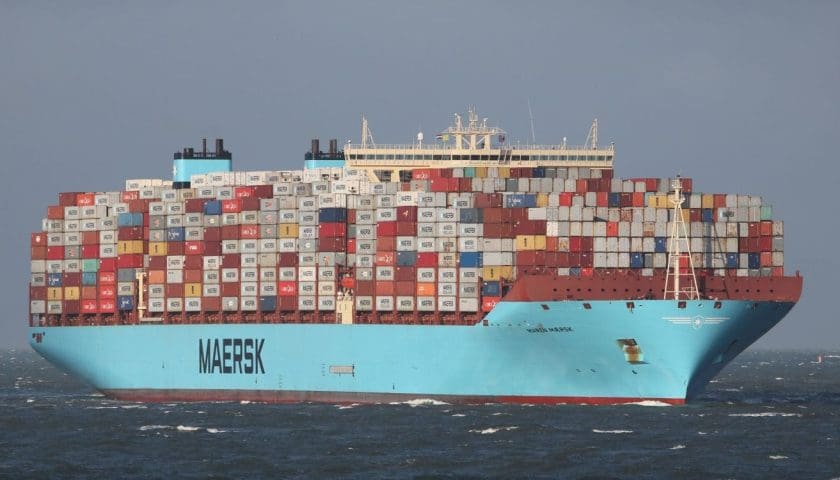
GLOBAL – Maersk has reported rising reefer demand across the North America-Africa corridor, with cut flower shipments from West Africa into Mexico active and South Africa’s citrus season into the US and Canada now underway.
For logistics operators and fresh produce exporters, global container demand increased by 3%-5% year-on-year in Q1 2026, supported by export growth from China, while import growth into North America remained slightly negative.
Operational Pressures Across Transport Modes
Maersk said uncertainty persists amid higher energy prices and trade constraints in the Upper Gulf region.
The company said Mediterranean trade lanes continue to face potential delays due to disruptions in the Middle East. Increased activity at US West Coast ports, particularly Los Angeles, is also contributing to longer terminal processing times.
Inland logistics: Elevated diesel prices continue to affect drayage costs, particularly on the US East Coast and at Gulf gateways. Maersk also reported congestion at Los Angeles and Long Beach, as well as inconsistent chassis availability at New York and New Jersey terminals.
Rail performance across North America has improved as networks move out of the winter season. In Western Canada, Prince Rupert reduced average terminal dwell times by four days week-on-week.
Sea-Air Conversions and Hub Congestion
Air freight markets have also been affected by the conflict in the Middle East. Maersk reported increased sea-air conversions as shippers respond to longer ocean transit times.
This has concentrated cargo flows through hubs such as Dubai and Singapore, creating intermittent bottlenecks and longer lead times for cargo bound for North America.
Cold Storage and Compliance Trends
Cold storage availability has improved across several North American regions, with greater emphasis on service quality, throughput, compliance, and inventory control.
Retailers continue to prioritize centralized fresh-produce distribution and inventory velocity, while pharmaceutical shippers are raising requirements for visibility and compliance management.
Maersk also noted that customs authorities across the US, Canada, and Mexico are placing greater focus on origin tracing, trade data accuracy, and supply chain compliance.
Industry Perspective
For fresh produce exporters in Africa, the peak season for citrus and flowers presents both opportunity and risk. Stronger import growth in Africa and Europe, together with stable container demand, supports export volumes.
As customs authorities tighten origin tracing, supply chain transparency becomes a competitive differentiator for African horticultural exporters targeting the US and Canadian markets.
Sign up HERE to receive our email newsletters with the latest news and insights from Africa and around the world, and follow us on our WhatsApp channel for updates.

