China boosts lychee exports as durian imports surge seven-fold on improved logistics
The scale and international reach of China’s tropical fruit trade are substantial.
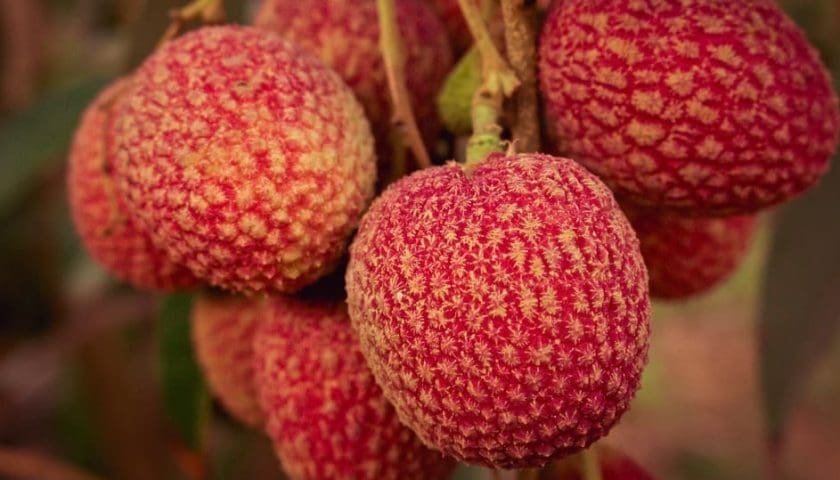
CHINA – China’s lychee exports from Hainan Province have increased by nearly 40% year-on-year during early 2026, while durian imports at Nansha Port near Guangzhou reached more than 30,000 tons between April 15 and early May, seven times higher than the same period last year.
Logistics and technology are improving the shelf life of exports through several innovations. First, harvested lychees are cooled immediately in ice water, packed with ice blocks, and transported through cold-chain logistics systems.
Second, new packaging technology allowing fruit to breathe during transit has also been introduced. Fresh lychees are consolidated through logistics hubs in Guangzhou before export.
On the other hand, several factors are driving the surge in durian imports and price drops. Improved rail connectivity through the China-Laos Railway allows Thai durians to reach Kunming in approximately 20 hours.
Consequently, wholesale durian prices in Beijing declined by 35-45% year-on-year. In addition, the combination of faster land routes and increased sea freight capacity has made durians more accessible to Chinese consumers while lowering wholesale prices.
The scale and international reach of China’s tropical fruit trade are substantial. For instance, Hainan remains one of China’s main lychee-producing regions, with a planting area reaching 4,533 hectares in Sanmenpo township and an annual output value exceeding 500 million yuan (US$69.3 million) in recent years.
Hainan exported 110 batches of lychees from the start of the harvest until May 6. At Hainan State Farms Hongming Farm Co., the estimated production this year is 275 tons, including 138 tons exported to Malaysia.
“We also have more than 66 hectares of orchard under cultivation, so there is still significant growth potential. We are also raising over 60 new species from our seed plant,” said Xing Yuanyuan.
China’s tropical fruit transformation shows how cold-chain investment and high-speed transport infrastructure can link local farmers to international supply chains.
While the sevenfold surge in durian imports signals strong Chinese consumer demand for premium tropical fruit, creating export opportunities for African producers that meet phytosanitary standards.
However, the 35-45% price decline for durians also warns that logistics-driven supply increases can pressure margins. Investors should monitor China’s infrastructure-led trade expansion as a model for reducing post-harvest losses and accessing distant markets.
Sign up HERE to receive our email newsletters with the latest news and insights from Africa and around the world, and follow us on our WhatsApp channel for updates.