

Maersk introduces peak season surcharges for Asia Pacific-East Africa routes from June 2026
For logistics planners, the 1 June 2026 effective date provides a clear deadline to adjust procurement and shipping schedules.
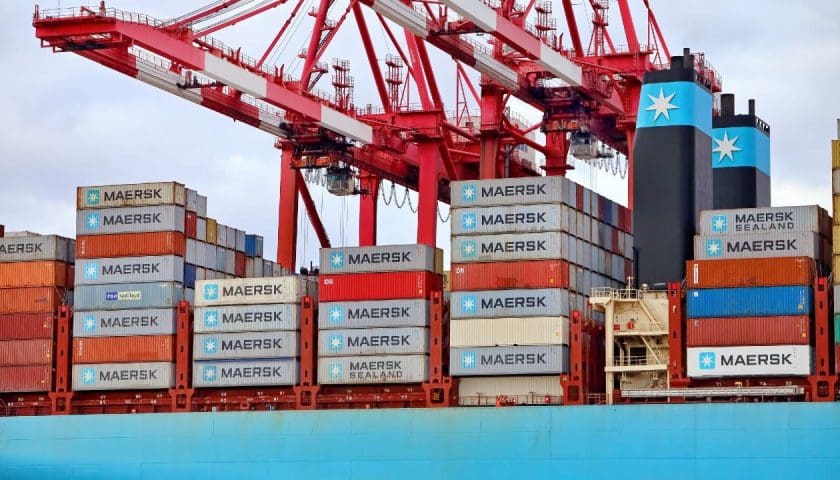
EAST AFRICA – Maersk has introduced revised Peak Season Surcharges for cargo transported from the Asia-Pacific region to East Africa, effective 1 June 2026.
For freight forwarders and logistics managers moving time-sensitive cargo, shipments from Southeast Asia to Kenya will incur surcharges of up to US$1,500 per container. In contrast, shipments to Dar es Salaam, Tanzania, will incur surcharges of US$500 to US$900 per container.
Regional Breakdown of Surcharges
The updated fees specifically apply to trade routes originating in Southeast Asia and heading to major ports in Kenya and Tanzania. Depending on the destination, businesses may incur additional costs of US$500 to US$1,500 per container.
The disparity between Kenyan and Tanzanian surcharges reflects differing demand pressures and operational constraints at Mombasa and Dar es Salaam.
For instance, Kenya-bound shipments face the highest tier at US$1,500 per container, suggesting stronger demand or tighter capacity on the Mombasa corridor.
On the other hand, Tanzania-bound cargo is priced in the US$500 to US$900 range, indicating greater available space or lower seasonal pressure on the Dar es Salaam route.
Peak Season Pressure and Network Management
The move reflects the logistical complexities and high demand for transporting cargo into the Dar es Salaam and Kenyan markets during peak periods. By introducing these tiered fees, the carrier aims to manage the increased pressure on its maritime networks linking Southeast Asia to East Africa.
For logistics planners, the 1 June 2026 effective date provides a clear deadline to adjust procurement and shipping schedules. Additionally, shippers of perishable cargo may need to consolidate shipments or adjust order volumes to mitigate per-container cost increases.
Industry Perspective
The surcharge disparity between Kenya and Tanzania may influence routing decisions. Cargo destined for landlocked neighbours such as Uganda, Rwanda, Burundi, and South Sudan could shift between Mombasa and Dar es Salaam depending on the differences in total landed cost.
For fresh produce supply chains, where speed is critical, the higher surcharge to Mombasa may still be justified by shorter transit times to inland markets. However, for non-perishable agricultural inputs, the lower surcharge at Dar es Salaam may make the Tanzanian route more attractive.
Either way, this announcement is a critical update for international traders planning mid-2026 season supply chain activities and requires immediate attention to routing and procurement strategies.
Sign up HERE to receive our email newsletters with the latest news and insights from Africa and around the world, and follow us on our WhatsApp channel for updates.