

Maersk Air freight volumes jump 20% in Q1, driven by Africa-linked cargo, Africa routes
The company stated: “Demand remained particularly strong on routes connecting Far East Asia with Europe, North America and Africa.”
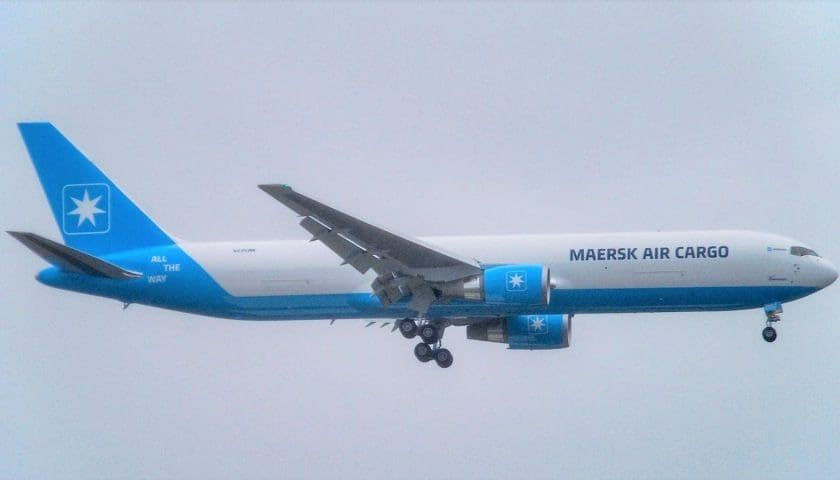
AFRICA– Maersk has recorded 20% air freight growth in Q1, driven by Africa-linked cargo and stronger Africa routes.
Air freight volumes rose to 82,000 tonnes year-on-year, supported by resilient cargo flows across Africa trade lanes, stronger transatlantic charter activity, and rising demand for high-value goods moving between the continent and global markets.
Air Freight Rates and Load Factors
International cargo load factors averaged 51.6% in the quarter, up 0.8 percentage points on the same period last year. Air freight rates averaged US$2.1 per kilogram in the quarter, slightly below last year’s levels.
However, rates began to rise towards the end of March following disruptions caused by the Middle East conflict, reaching US$2.4 per kilogram by the end of the month.
The company stated: “Demand remained particularly strong on routes connecting Far East Asia with Europe, North America and Africa.”
West Africa Drives Joint Venture Profits
Maersk’s profits from joint ventures and associated companies rose 18% to US$111 million in the quarter, driven primarily by stronger performance in West Africa and Brazil.
This regional growth highlights Africa’s growing importance within the company’s global network, particularly for perishable cargo and essential goods.
Logistics & Services Delivers Margin Improvement
Strong air cargo performance supported Maersk’s Logistics & Services business, which recorded improved earnings for the eighth consecutive quarter.
Segment revenue rose 8.7% year on year to US$3.8 billion, while EBIT increased 22% to US$173 million. The EBIT margin improved from 4.1% to 4.6%.
Revenue from Transported by Maersk services, which include air freight operations, increased by 10% to US$1.8 billion in the quarter. Maersk said profitability improved due to stronger performance across warehousing, air freight, middle-mile logistics, and transport services, along with continued cost discipline.
Supply Chain Implications
For fresh produce exporters across Africa, the 20% increase in air freight capacity offers expanded options for time-sensitive horticultural exports to European and Middle Eastern markets.
Additionally, Maersk’s alternative shipping routes and temporary storage solutions introduced during the Middle East conflict have prioritized essential cargo, including food, medicines, and perishables.
With Maersk maintaining its full-year guidance and the global container market expected to grow by 2-4%, logistics managers should leverage a diversified set of transport modes.
The company continues its fleet renewal, with eight new dual-fuel vessels scheduled for delivery between 2029 and 2030.
Sign up HERE to receive our email newsletters with the latest news and insights from Africa and around the world, and follow us on our WhatsApp channel for updates.

