Kenya revives railway for fertilizer delivery, cuts fresh produce transport costs
Lower input costs for potato, carrot, and wheat farmers should translate into improved competitiveness for processed and fresh vegetable exports.
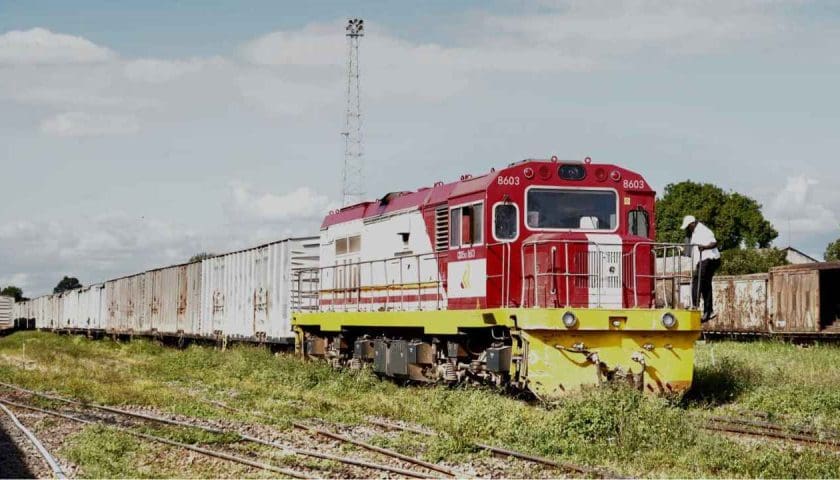
KENYA – Kenya has revived the Gilgil–Nyahururu railway line after 46 years, moving fertilizer and cutting fresh produce transport costs for farmers.
The consignment carried on 11 Metre Gauge Railway wagons represents the first cargo movement on the route since its closure.
Agricultural Impact and Regional Benefits
The Rail Mavuno fertilizer will benefit farmers in Nyandarua and Laikipia counties, key agricultural regions known for producing potatoes, carrots, cabbage, peas, wheat, and other crops.
In addition, improved rail access is expected to enhance the efficient distribution of agricultural inputs across these areas. The restoration aims to reduce transport costs for essential goods while providing a sustainable alternative for passenger travel.
For fresh produce exporters and logistics operators, the revived line offers a reliable, cost-effective alternative to road transport for delivering fertilizer to farming regions. Lower input costs for potato, carrot, and wheat farmers should translate into improved competitiveness for processed and fresh vegetable exports.
Industry Interest and Economic Growth
The reopening of the line has attracted interest from several industries. Companies including OCP Kenya, Bamburi Cement PLC, New Kenya Cooperative Creameries (New KCC), and Autoports Freight Terminals are exploring opportunities to use the corridor for fertilizer, cement, dairy, and general freight. Additional cargo potential includes construction materials, livestock, and other agricultural products.
In addition to freight operations, the restored railway will support passenger services, providing communities along the route with a safe, affordable, reliable, and environmentally sustainable transport option.
Strategic Alignment with Vision 2030
The return of rail services is expected to improve access to markets and essential services, boost tourism, and strengthen regional integration. The development also supports the Government’s Vision 2030 agenda, which seeks to use railway infrastructure as a catalyst for national and regional development.
For logistics investors and fresh-produce supply chains, the revival of the Gilgil–Nyahururu railway shows that reactivating dormant infrastructure can unlock agricultural value.
As Kenya advances its Vision 2030 agenda, the Gilgil–Nyahururu line serves as a model for cost-effective infrastructure reactivation, directly supporting agricultural productivity, regional trade, and sustainable economic growth for communities in Nyandarua and Laikipia counties.
Sign up HERE to receive our email newsletters with the latest news and insights from Africa and around the world, and follow us on our WhatsApp channel for updates.