

Peruvian blueberry exports reach 383,000 tons as genetic renewal drives quality, market expansion
The industry is maturing by prioritizing varietal innovation and adaptability to meet sophisticated global demand.
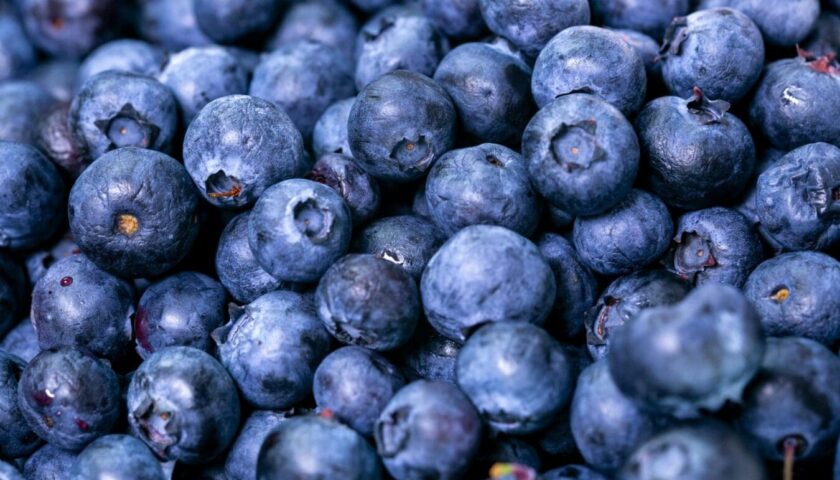
PERU – The Peruvian blueberry industry has concluded a successful export season with approximately 383,000 tons shipped, driven by strategic genetic renewal that enhances flavour, firmness, and shelf life while expanding presence in European and Asian markets.
According to Miguel Bentín, president of ProArándanos, the association representing Peruvian blueberry exporters, the season showcased the industry’s resilience in the face of challenges and highlighted the growing role of genetics in shaping the evolution of supply.
Firstly, varietal renewal is driving transformation as production diversifies, with new genetic material offering distinct traits. The international market demands fruit that stands out for flavour, firmness, crunch, size, and good condition upon arrival, qualities that new varieties aim to enhance.
The United States remains the primary market for Peruvian blueberries. However, growth was relatively modest compared with other markets, partly due to tariffs. Europe performed strongly, capturing a larger market share, while Asia remains a strategic focus, with efforts to increase local Chinese production.
Regarding prices, Bentín noted that pressure is inherent in a growing industry but highlighted a positive development: “The market is starting to more clearly distinguish differences in quality, genetics, and condition, leading to different levels of return depending on the value perceived by the consumer.”
Furthermore, the new genetic varieties offer improved firmness and extended shelf life, enabling fruit to survive long-distance transit to Europe and Asia while maintaining quality upon arrival. This varietal innovation addresses both international shipping requirements and consumer expectations for a superior eating experience.
For the upcoming season, the industry is adopting a cautious stance. ProArándanos has noted significant uncertainty over weather conditions, with attention focused on the Coastal El Niño and the possible emergence of a global-scale El Niño. “The industry is more mature, with better genetics, greater experience, and a strong capacity to adapt,”
Bentín stated, highlighting the sector’s social impact. The industry generates between 140,000 and 160,000 direct formal jobs in Peru’s producing regions, serving as a vital social engine for the economy.
Additionally, the industry is maturing by prioritizing varietal innovation and adaptability to meet sophisticated global demand.
Despite potential climate disruptions, Peruvian blueberry growers remain cautiously optimistic and continue to strengthen their position in international markets through improved genetics and post-harvest management.
Sign up HERE to receive our email newsletters with the latest news and insights from Africa and around the world, and follow us on our WhatsApp channel for updates.