China launches Xinhuan No. 1 offshore aquaculture platform in Hainan
Project forms part of China’s expansion of deep-sea aquaculture to increase seafood production.
CHINA – China has started operations at Xinhuan No. 1, the country’s largest semi-submersible aquaculture platform, after the facility officially entered service off Sanya Bay in Hainan Province, marking the latest addition to its expanding network of offshore fish farming infrastructure.
The floating platform measures about 135 metres in length and 30 metres in width and provides an aquaculture volume of approximately 64,000 cubic metres, roughly equal to the capacity of 20 Olympic-sized swimming pools, enabling large-scale fish cultivation in deeper offshore waters.
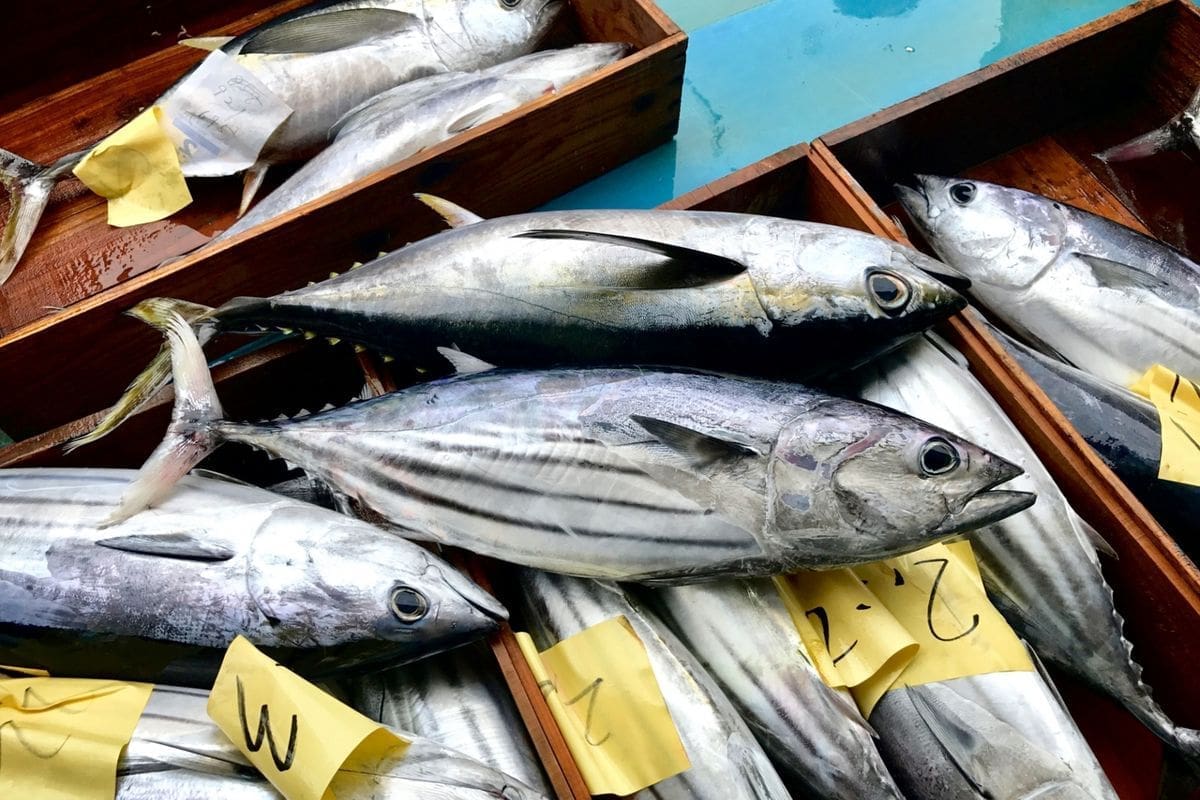
Operations have begun with the release of about three million juvenile fish, with the first production cycle focusing on premium species, including fourfinger threadfin (Eleutheronema tetradactylum) and pearl grouper, while the operator plans to use a rotating stocking and harvesting approach to maintain fish density throughout the production cycle.
Offshore production targets
Depending on production performance and the growth rates of different species, annual harvests are expected to range between 1,000 and 2,000 tonnes according to some estimates, while other projections indicate the facility could eventually produce as much as 4,000 tonnes, or around four million kilograms, of seafood each year.
The project forms part of China’s wider strategy to expand deep-sea aquaculture through its “blue granaries” initiative, with the country having deployed more than 100 offshore farming platforms and vessels by early 2026 as it seeks to increase domestic seafood production and reduce pressure on coastal farming areas.
Authorities have promoted offshore aquaculture as an alternative to traditional nearshore operations, which face challenges including limited space, water pollution and disease outbreaks, while deeper marine environments are expected to provide cleaner waters and additional capacity for commercial fish farming.
Intelligent farming systems
Xinhuan No. 1 is equipped with automated systems that monitor water quality, fish health and feeding activities, while its semi-submersible structure is designed to adapt to changing sea conditions and improve stability in the waters of the South China Sea.
The platform was constructed by Guangzhou Panyu Shunhai Shipbuilding and shows continued investment in marine engineering technologies designed for commercial aquaculture and offshore food production.
The development is also expected to support Hainan’s marine economy while contributing to China’s efforts to strengthen seafood supplies, although offshore aquaculture continues to face operational considerations related to waste management, ecosystem protection and resilience during severe weather events.
Industry observers expect future offshore farming platforms to incorporate greater automation, along with integrated production systems that combine fish farming with seaweed or shellfish cultivation and, in some cases, renewable energy technologies, as the sector continues to change.
Sign up HERE to receive our email newsletters with the latest news and insights from Africa and around the world, and follow us on our WhatsApp channel for updates.