Nigeria’s tomato production costs surge 700%, forcing farmers off land, prices to record highs
According to TOPAN, urgent systemic investment is needed to stabilize the tomato supply.
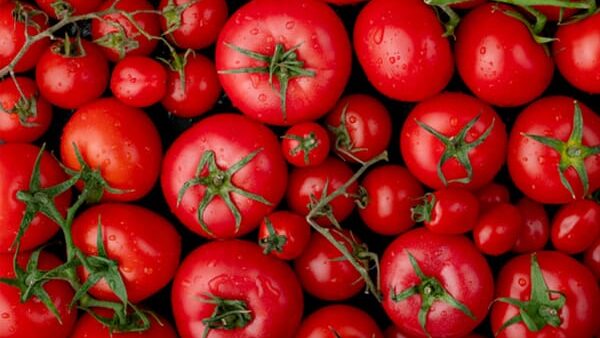
NIGERIA – Nigeria’s tomato industry faces severe financial and environmental challenges, with cultivation costs skyrocketing by over 700%, severe pest infestations diminishing harvests, and consumer prices reaching record highs, forcing smallholder farmers to abandon production.
According to the Tomato and Orchard Producers Association of Nigeria (TOPAN), the cost of cultivating one hectare of tomatoes has surged from approximately N300,000 (US$219) to nearly N2.5 million (US$1,828).
“Many farmers cannot afford the current cost of production; the few farmers who managed to cultivate also had to contend with heavy pest attacks during the rainy season, leading to low harvests and inadequate supply to meet market demands,” said TOPAN National President Oyeleke Bola.
Furthermore, rising costs for pest control, fertilizer, and other inputs have significantly reduced production and kept many smallholder farmers out of cultivation this year. Those who continue to farm face severe pest infestations and diminished harvests typical of the rainy season, leading to a significant supply shortage.
High production costs have created a barrier to entry, effectively forcing small-scale farmers to abandon their crops, with only those with substantial financial resources able to sustain operations.
Bola said transportation costs have added further pressure. “Moving the item from major producing states to consumer markets has become more expensive due to poor road conditions, traffic delays and the general rise in logistics costs.”
Additionally, deteriorating infrastructure and rising logistics fees make transporting produce to markets increasingly expensive, adding another layer of cost that ultimately reaches consumers.
Seasonal tomato shortages have become a recurring challenge, with the rainy season consistently reducing yields. According to TOPAN, urgent systemic investment is needed to stabilize the tomato supply.
As a result, Bola called for greater investment in quality seed production, fertilizer supply, pest management, storage infrastructure, and agricultural data systems to improve production.
Therefore, strategic investment in agricultural technology, improved storage facilities, and modern data systems would help farmers manage pest pressures, reduce post-harvest losses, and plan production cycles more effectively.
Moreover, improved storage infrastructure could buffer against seasonal shortages by enabling farmers to preserve surplus production from better harvest periods.
That said, the long-term implications are that the sector’s future stability depends on coordinated investment in agricultural inputs, modern farming technologies, and infrastructure rehabilitation, all aimed at supporting farmers and ensuring food security.
Sign up HERE to receive our email newsletters with the latest news and insights from Africa and around the world, and follow us on our WhatsApp channel for updates