Cameroon Development Corporation banana exports hit 2026 low in June amid dry season, conflict
The organization continues to grapple with environmental cycles and regional civil unrest, which together undermine production capacity.
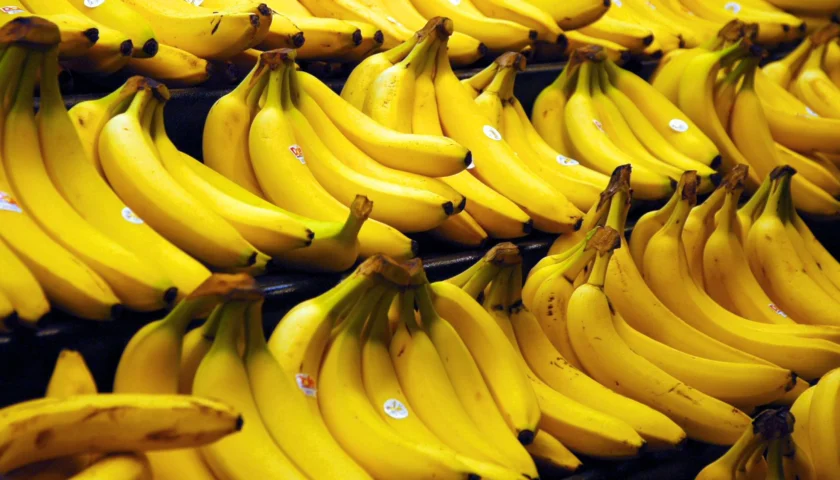
CAMEROON – The Cameroon Development Corporation, the nation’s sole domestic banana exporter, shipped just 3,085 tons in June 2026, marking its lowest monthly export volume of the year and reflecting the dual pressures of seasonal dry conditions and persistent socio-political instability.
The June total represents a 12% decline from the 3,508 tons exported in May. It also falls below every other month recorded so far in 2026: 4,231 tons in January, 3,822 tons in March, 3,234 tons in February, and 3,233 tons in April.
The decline coincides with the end of Cameroon’s dry season, a period that typically produces lower agricultural yields due to reduced soil moisture and increased heat stress on banana plants. This seasonal environmental cycle reduces productivity across the region during this period.
Furthermore, the figures also reflect the continued impact of the socio-political crisis that has affected Cameroon’s English-speaking regions since late 2016. The conflict has disrupted operations across the Southwest Region, where a large share of CDC’s banana plantations are located.
Extensive areas of farmland have remained idle for years as a result, adding to the company’s financial losses. Ongoing conflict has left large portions of fertile farmland unproductive, resulting in massive, unharvested acreage that could otherwise contribute to export volumes.
In 2025, the CDC reported 14,349 hectares of mature plantations left unharvested, citing shortages of agricultural inputs for field operations and persistent security challenges in parts of its production zones.
As a result, this significant unharvested acreage represents substantial lost revenue for the state-owned enterprise and highlights the extent of operational disruption caused by the security situation. The lack of essential farming supplies, including fertilizers, pesticides, and equipment, compounds the productivity challenges faced by CDC workers in affected areas.
The organization continues to grapple with environmental cycles and regional civil unrest, which together undermine production capacity. Workers face restrictions on access to plantations in conflict-affected zones, while transporting harvested fruit to ports is delayed and fraught with security risks.
Without resolution of the security situation and improved access to agricultural inputs, the corporation faces continued challenges in maintaining consistent export volumes.
Finally, the downward trend since earlier in 2026 suggests that operational conditions have not improved despite government efforts to stabilize the region.
Sign up HERE to receive our email newsletters with the latest news and insights from Africa and around the world, and follow us on our WhatsApp channel for updates