US tariffs on agricultural imports draw praise from IFPA, criticism from Australia, Chile, MERCOSUR
In Chile, the industry body Frutas de Chile emphasised that the 12.5% tariff is not a final ruling proving the existence of forced labour in the local fruit industry.
GLOBAL – The United States’ latest round of trade tariffs on international agricultural imports has drawn sharply polarized reactions, with domestic trade groups expressing gratitude for exemptions, while international organizations condemned the levies as damaging to longstanding trade relationships.
First, the International Fresh Produce Association expressed appreciation for the recognition of the industry’s unique import needs and celebrated tariff exemptions for products the United States doesn’t produce commercially.
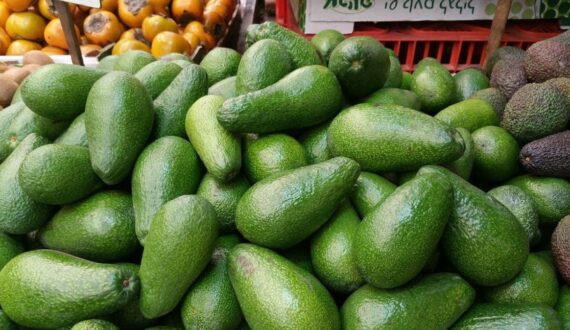
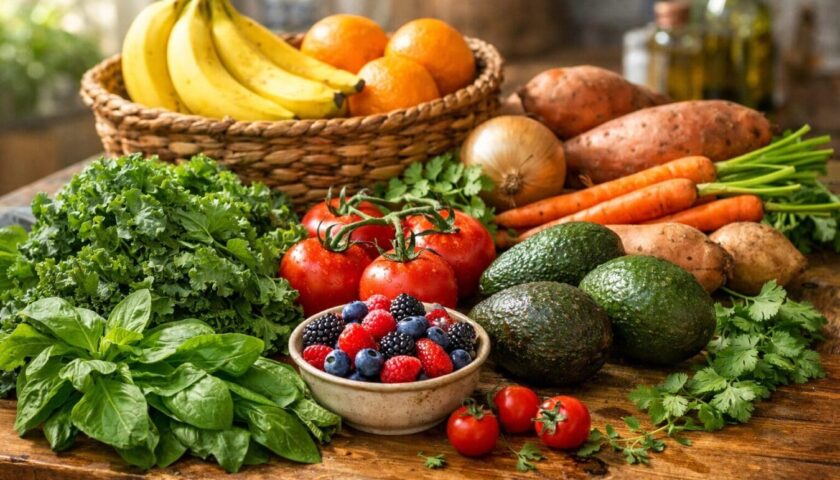
“These exempted products include many produce seed varieties and tropical produce items such as bananas, pineapples, and avocados, which much of the US does not have the climate to produce either at all or at scale,” the statement read.
However, the organization expressed concern for suppliers whose products were not exempted, such as those in Colombia and the European Union, noting that this unequal situation creates “a patchwork of tariff structures that increases costs and complexity for the US floral industry.”
Furthermore, Tom Stenzel, head of the Banana Association of North America, responded positively, saying his organization “is pleased that an exemption for bananas imported into the US continues in this new round of tariffs.”
On the other hand, industry bodies in affected countries expressed discontent. “Rather than moving back towards the free and fair trading arrangements that have served both our countries well for two decades, the United States has chosen to further increase barriers to trade, despite Australia’s longstanding record of high standards and responsible trade,” said NFF Chief Executive Officer Michael Guerin.
Additionally, the Federation of Rural Associations of MERCOSUR also expressed concern about the latest US tariffs. In a statement, the organization said, “For decades, we’ve demonstrated our commitment to efficient, sustainable, and competitive production, respecting international treaties, such as the International Labor Organization’s, that prohibit forced labour,” read the document.
Meanwhile, in Chile, the industry body Frutas de Chile emphasized that the 12.5% tariff is not a final ruling proving the existence of forced labour in the local fruit industry.
Lastly, the foreign groups specifically rejected accusations regarding labour standards, calling instead for bilateral dialogue rather than unilateral penalties. The report highlights a growing divide between US industry benefits and the economic uncertainty faced by international exporters.
Sign up HERE to receive our email newsletters with the latest news and insights from Africa and around the world, and follow us on our WhatsApp channel for updates.