
South African blueberry exports stable at 25,000 tonnes despite Western Cape floods
South Africa expects to export approximately 25,000 metric tons of blueberries, matching last year’s performance.
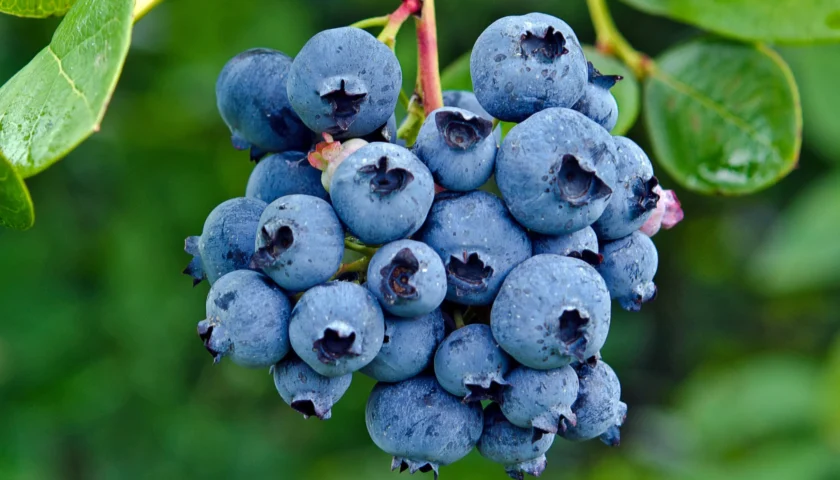
SOUTH AFRICA – The South African blueberry industry has navigated a complex period of climate volatility, with historic flooding followed by record-breaking dry spells, though national export forecasts remain stable due to growth in other regions.
Following unprecedented winter flooding in the Western Cape in mid-May, the industry faces severe, localized infrastructure damage, climate variability, and rising operational costs.
“We recorded on some farms between 300 and 400 millimeters of rain over a two- or three-day period. It was a lot of rain,” said Dylan Coleman, National General Manager at Winterwood Holdings South Africa.
Despite the heavy rainfall, Coleman emphasized that the physical impact on crops was highly localized rather than industry-wide. While some blueberry growers at the foot of mountain catchments suffered severe block losses, with some losing over 70% of their volume, other farms experienced minimal or no crop damage.
The Western Cape currently accounts for approximately 50% of planted area and around 60% of total fruit production, while northern regions are expanding rapidly. For the current campaign, South Africa expects to export approximately 25,000 metric tons of blueberries, matching last year’s performance.
While direct blueberry losses remain contained on a macro level, infrastructure damage presents severe operational hurdles. Combined with a nearly 40% surge in local fuel costs driven by global oil dynamics, farm logistics have become much more expensive.
“The logistical challenges impact where your staff comes from and impact how you get your fruit to the ports and cold rooms. Additional costs on transport and logistics are starting to become material now,” Coleman said.
In addition, just two months after the historic May floods, Cape Town International Airport recorded its lowest July rainfall since 1958.
“In May we had floods, and in July we had the lowest recorded rainfall since 1958. The weather is no longer as consistent as it used to be. The extremes are becoming more extreme,” he said.
Looking ahead, Coleman noted that long-term farming sustainability will depend on adaptability, water storage investment, and potentially migrating future plantings to lower-risk areas as climate swings become more frequent.
As climate patterns become increasingly unpredictable, the blueberry sector’s experience offers valuable lessons for other agricultural industries facing similar pressures. The industry’s resilience in the face of extreme weather events reflects the dedication and adaptability of growers across the value chain.
Sign up HERE to receive our email newsletters with the latest news and insights from Africa and around the world, and follow us on our WhatsApp channel for updates.