

Chilean blueberry sector shifts to tech-driven models, genetic renewal as quality becomes global baseline
For investors, Chile’s evolution offers lessons in strategic adaptation.
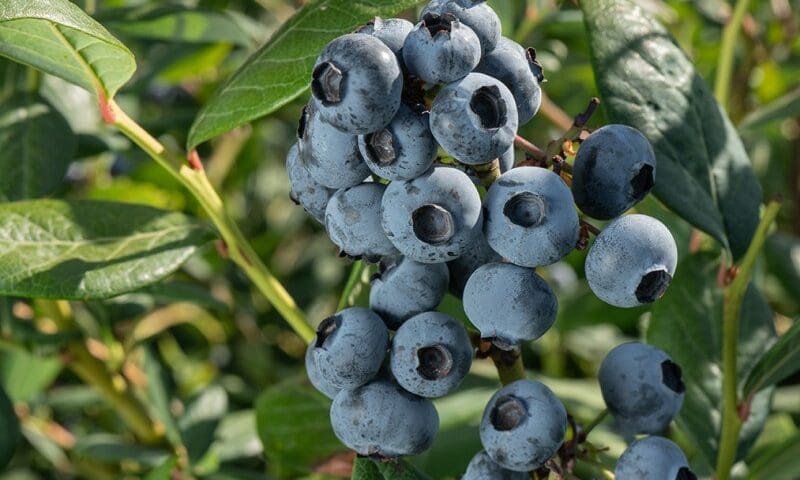
CHILE – The Chilean blueberry industry is undergoing a fundamental transformation, moving from traditional varieties to new genetics while adopting more intensive, technology-driven production systems.
This shift, highlighted by Global Plant Genetics following visits to producers and nurseries across the country, positions the sector to compete in an increasingly crowded global market where quality is no longer a differentiator but the minimum standard.
Therefore, producers are evaluating new varieties capable of adapting to shifting climate conditions, with historically high-chill zones now reconsidered as medium or low-requirement areas.
In addition, traits such as heat tolerance and productive stability have gained prominence alongside traditional quality metrics.
Post-harvest life has become a critical variable for blueberries, where fruit must withstand extended transit times and varying cold chain conditions. Varieties with superior shelf life and consistent flavor upon arrival command premium pricing and build buyer loyalty factors that Chilean producers now prioritize in their replanting decisions.
On the other hand, global Plant Genetics emphasized that the industry is in transition, not decline. During visits to licensed partners SynergiaBio, Hijuelas, and Sunnyridge nurseries, the company observed early productivity from low-chill varieties and accelerated varietal turnover already underway in orchards.
These developments suggest a more consolidated, efficient industry taking shape, with larger fields, concentrated production, and extended harvest windows.
The competitive landscape has shifted dramatically with Chilean producers now facing rivalry from emerging industries across Latin America, Africa, Europe, and Asia.
As a result, success no longer hinges on export volume alone but on delivering consistent quality, reducing production costs, and ensuring strong post-harvest performance.
In addition, variables such as productive consistency, fruit size, and the ability to maintain quality throughout logistics have become decisive commercial factors.
For investors, Chile’s evolution offers lessons in strategic adaptation. As global blueberry supply expands, market access increasingly favors producers who treat genetics as a core business asset, invest in production systems that buffer climate variability, and prioritize post-harvest characteristics that align with distant market requirements.
More importantly, the Chilean model demonstrates that transformation, when executed systematically, transforms competitive pressure into sustainable advantage.
Sign up HERE to receive our email newsletters with the latest news and insights from Africa and around the world, and follow us on our WhatsApp channel for updates.

