
Moroccan storms slash blueberry volumes 20%, smaller growers face uncertain recovery
Some individual operations faced devastating losses of as high as 50%.
MOROCCO – Powerful storms that swept through Morocco’s Souss-Massa region in late February have devastated the country’s blueberry sector, with industry estimates projecting a production decline exceeding 20% for the 2026 season.
The Chtouka Ait Baha area, which anchors the nation’s fresh fruit and vegetable exports, endured winds reaching 68 mph and severe flooding that damaged greenhouses and isolated orchards for days.
The International Blueberry Organization reports that harvest volumes by week 9 reached only 15,000 kilos, a sharp drop from 21,000 kilos during the same period last year despite initial industry projections of 13% growth. Some individual operations faced devastating losses of as high as 50%.
Mario Steta, IBO president, contextualized the crisis within a broader pattern of climate volatility affecting Mediterranean agriculture. “The amount of rain that fell hasn’t been seen in decades,” he explained.
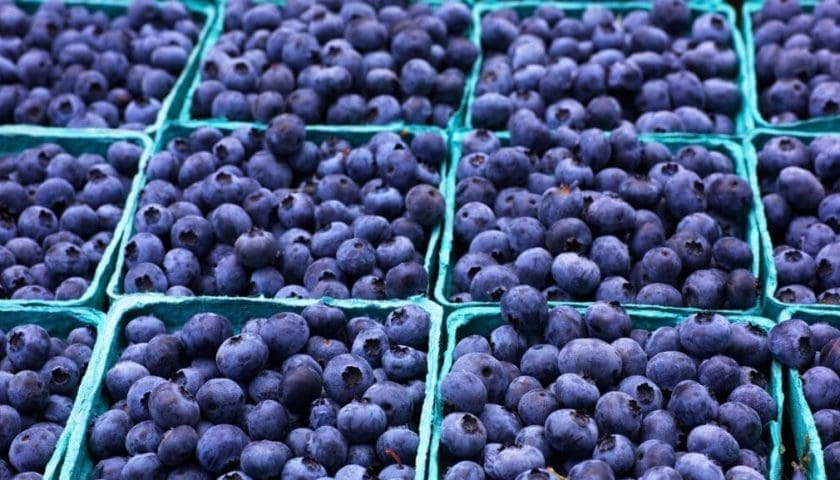
“The storms that have passed over Portugal, Spain, and Morocco have resulted in flooding, much lower temperatures, and extremely low levels of light,” he added. These conditions have produced smaller fruit sizes, potentially triggering pricing complications and grower returns.
Further, Greg Murdoch, general manager at African Blue, confirmed that “As an industry, I expect we’ll see more than a 20 percent reduction in export volumes from the north. Based on the damage I’ve seen at some sites, losses could exceed 50 percent in certain individual cases,” he stated.
Additionally, Murdoch expressed concern that repair costs may prove insurmountable for smaller growers lacking capital reserves.
Consequently, the crisis exposes long-term investment risks for North African agriculture. Colin Fair, CEO of Agronometrics, noted the sector’s excitement over new genetic investments that promised higher performance. “The storms have clearly disrupted production, but they are not affecting everyone evenly,” he clarified.
“Depending on their production region, some companies are still growing considerably, while others are seeing a significant reduction despite growth expectations,” he concluded. This uneven impact complicates investor confidence, as climate events increasingly dictate which operations thrive and which fail.
With the Souss-Massa region accounting for approximately 85% of Morocco’s fruit and vegetable exports, supply chain disruptions here resonate globally with European and Middle Eastern markets that depend on Moroccan berries facing immediate shortages, potentially accelerating demand shifts toward alternative origins.
For stakeholders across the fresh produce value chain, the storm damage underscores agriculture’s mounting vulnerability to extreme weather and the urgent need for climate-resilient infrastructure investment.
Sign up HERE to receive our email newsletters with the latest news and insights from Africa and around the world, and follow us on our WhatsApp channel for updates.