Kakuzi swings to US$3M profit on diversification, domestic sales as avocado, macadamia rebound
For Kakuzi, balancing export risks with domestic market growth has become central to its recovery strategy.
KENYA – Kakuzi Plc has reported a Ksh 387.5 million (approx. US$3 million) after-tax profit, fueled by diversification efforts and domestic sales growth that offset ongoing export challenges linked to geopolitical tensions and shipping instability.
Total revenues reached Ksh 5.4 billion (approx. US$41.9 million), with pre-tax profit climbing to Ksh 568 million (approx. US$4.4 million) from a pre-tax loss of Ksh 167 million (approx. US$1.3 million) in 2024.
Chairman Nicholas Ng’ang’a noted that while some circumstances behind the previous year’s loss have been mitigated, geopolitical tensions continue to impact the firm’s flagship avocado operations.
For Kakuzi, balancing export risks with domestic market growth has become central to its recovery strategy.
“As a part of our corporate strategy of product diversification, we continue to focus on value addition wherever it makes commercial sense. The strategy is paying off, and while Kakuzi was export-oriented in the past, we can now confirm that we have a growing domestic market contribution,” Flowers added.
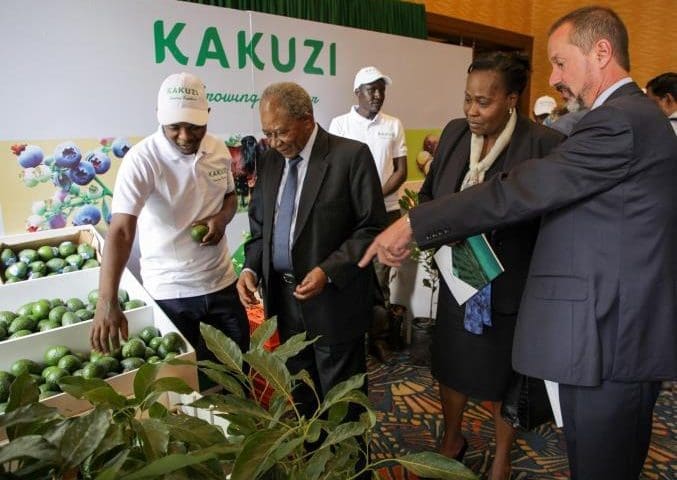
The domestic market is now contributing meaningfully to the bottom line, with sales exceeding Ksh 50 million (US$388,000) from value-added products including ready-to-eat macadamia nuts, cold-pressed macadamia oil, avocados, blueberries, and newly added loose-leaf tea.
Avocado profits grew 96% to Ksh 709 million (US$5.5 million), up from Ksh 361 million (US$2.8 million) in 2024, despite export operations being negatively impacted by shipping instability on the Red Sea route.
In addition, the firm exported 525 containers in 2025, up from 446, achieving an average price of €7.13 (US$7.70) per carton. European market prices remained under pressure from substantial volumes from Peru, South Africa, and Colombia.
On the other hand, Macadamia operations posted a sharp recovery, with profits rising to Ksh 365 million (US$2.8 million) from Ksh 69 million (US$535,000) the previous year.
“Demand for macadamia continues to recover, with increased sales volumes and improved prices. However, to maintain sustainable demand, the product needs to expand the opportunities for how consumers can experience quality macadamia kernels,” Flowers said.
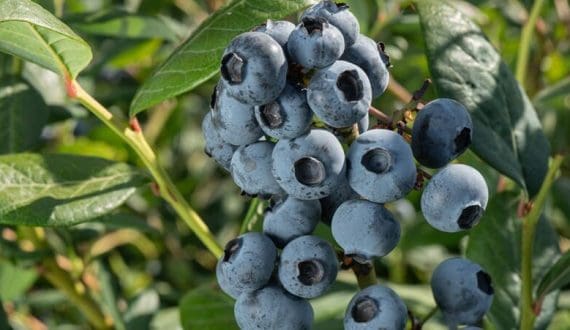
The blueberry operation returned to profitability, recording Ksh 5 million (US$38,800) profit from a Ksh 19 million (US$147,500) loss, with production volumes increasing to 90 tons from 53 tons.
The firm continues developing mitigation measures, including leveraging market access to China and India. However, Flowers noted that while these markets offer easier logistics, “the current market size does not offer an immediate substitute for Europe.”
Sign up HERE to receive our email newsletters with the latest news and insights from Africa and around the world, and follow us on our WhatsApp channel for updates.