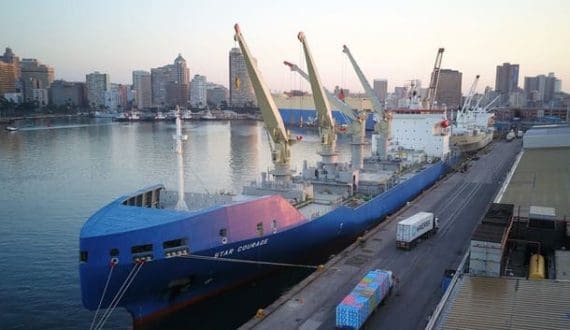

AD Ports connects Khalifa, Fujairah ports to rail-linked dry hubs
The anchor commitments from EGA, EMSTEEL, Al Ghurair Iron & Steel, and Tenaris validate the network’s commercial viability.
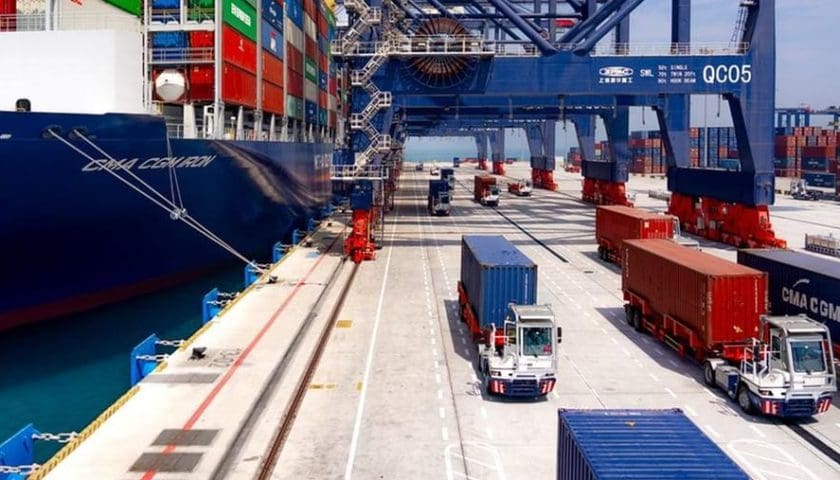
UAE – AD Ports has connected Khalifa Port and Fujairah Terminals to rail-linked dry hubs through a new multimodal logistics network.
The network positions Khalifa Port and Fujairah Terminals as dual gateways for the UAE industry, strengthening the movement of industrial cargo across the UAE and the wider region.
Anchor Industrial Clients Commit to Network
AD Ports Group signed memoranda of understanding with four UAE manufacturers, Emirates Global Aluminium (EGA), EMSTEEL Group, Al Ghurair Iron & Steel, and Tenaris, as anchor industrial cargo clients for the new rail-linked inland logistics network.
For logistics investors and supply chain managers, these commitments provide immediate certainty of cargo volumes for the network’s operations.
The network will connect Khalifa Port and Fujairah Terminals to rail-linked inland dry ports, ICAD, and cargo depots across the UAE.
Dual Gateway Strategy and Industrial Benefits
The network enables more reliable inbound flows of industrial feedstock and raw materials to UAE manufacturers, while offering greater flexibility for outbound distribution of finished and semi-finished goods through multiple inland and gateway options.
Moreover, the consolidated network will benefit manufacturers and industries across KEZAD and other industrial sectors in the UAE.
This industrial logistics network demonstrates how rail-linked dry ports can decongest coastal terminals. While primarily designed for industrial cargo, the infrastructure, including rail connections, dry ports, and cargo depots, can also support perishable supply chains during peak seasons when reefer container traffic spikes.
Industry Perspective
AD Ports Group’s multimodal network creates a replicable model for integrating industrial zones with maritime gateways via rail. Khalifa Port serves as the primary hub for containerized cargo, while Fujairah Terminals on the east coast provide an alternative gateway that bypasses Strait of Hormuz constraints.
Rail-linked dry ports at ICAD and other locations enable manufacturers to move raw materials directly from the vessel to the factory without road congestion. Finished goods can be distributed through multiple inland and gateway options, reducing dependence on any single route.
More importantly, the anchor commitments from EGA, EMSTEEL, Al Ghurair Iron & Steel, and Tenaris validate the network’s commercial viability.
As the UAE industry seeks more reliable supply chains, this integrated rail-port-dry port model strengthens the UAE’s position as a global leader in industrial logistics, offering local industries more reliable distribution options and flexible access to global markets.
Sign up HERE to receive our email newsletters with the latest news and insights from Africa and around the world, and follow us on our WhatsApp channel for updates.