
Algeria authorizes cattle imports from Ukraine
The move comes as the country expands supply options amid rising meat imports
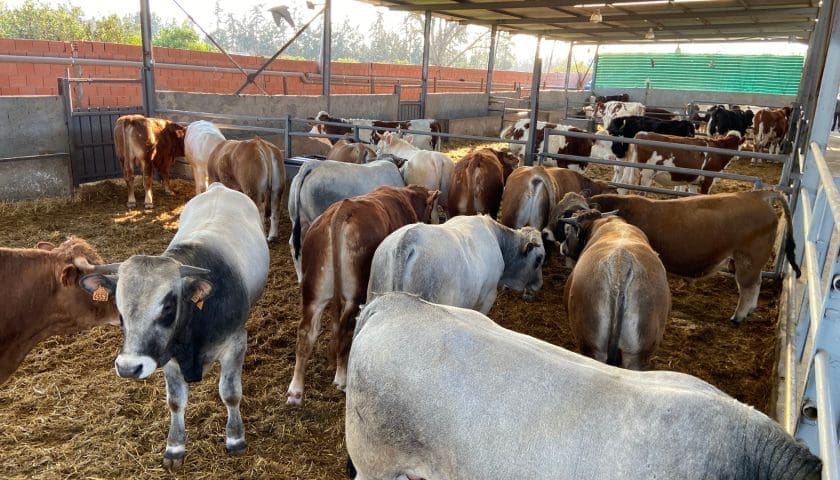
ALGERIA – Algeria has officially approved the importation of live cattle from Ukraine after the Ukrainian State Service for Food Safety and Consumer Protection confirmed that veterinary health certificates for slaughter, fattening, and breeding cattle had been accepted by Algerian authorities.
The authorisation is a regulatory step that enables Ukrainian cattle to enter the Algerian market for the first time, following the validation of the sanitary requirements set by Algiers for live animal imports.
In a statement published on the Ukrainian government’s official website, authorities said the approval reflects compliance with Algeria’s veterinary rules and supports the expansion of trade relations between the two countries in the agricultural sector.
This development provides Algeria with an additional sourcing option at a time when it is actively turning to international markets to secure live cattle supplies, alongside existing suppliers in Brazil, Ireland, Germany, Poland, and Italy.
According to Trade Map data, Algeria spent about US$18.5 million on live cattle imports in 2024, highlighting a growing reliance on foreign suppliers to meet domestic demand for red meat.
Policy Environment Encouraging Imports
The timing of Ukraine’s market access aligns with fiscal measures introduced under Algeria’s 2026 Finance Bill, which provides extensive tax exemptions for live cattle imports intended for slaughter between November 15, 2025, and June 30, 2026, a period linked to preparations for Eid al-Adha.
During this window, eligible cattle imports are exempt from customs duties, value-added tax, bank domiciliation tax, solidarity contributions, and withholding tax, while imports after that period will be subject to a reduced customs duty rate of 5% until December 31, 2026.
Domestic Supply Pressures
These measures come as Algeria continues to face structural challenges in meeting local beef demand, despite cattle farming ranking as the country’s third-largest meat source after poultry and sheep.
In response, the Ministry of Agriculture established the National Commission for Strengthening Red Meat Production in December 2024, tasked with identifying ways to expand national sheep and cattle herds and reduce reliance on imported meat.
However, recent trade data indicate that import dependence remains high: FAO figures show beef imports rose from 10,328 tonnes in 2023 to 91,579 tonnes in 2024, and purchases are projected to reach 115,000 tonnes in 2025.
Sign up HERE to receive our email newsletters with the latest news and insights from Africa and around the world, and follow us on our WhatsApp channel for updates.